Real Estate
The Growing Demand for Homes With Energy-Efficient Features
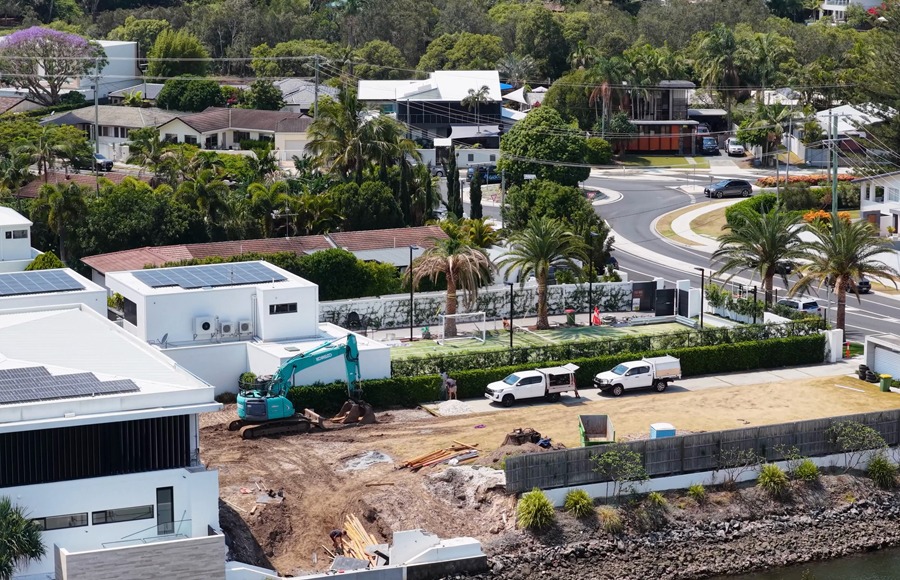

The real estate industry is evolving rapidly and today homebuyers are becoming much more aware of long-term savings, the environment, and overall comfort within a home. Over the last few years the market for homes that are energy-efficient has been the most noticeable change. Today, modern buyers are interested in properties that reduce the use of energy and utility bills while benefiting the environment. No longer only appearing in luxury projects, energy-efficient homes are becoming a crucial factor in new housing developments among homebuyers of all economic classes. With growing concerns over climate change, increasing costs for energy, and developing awareness of green solutions, both developers and homebuyers are concerned with having the energy-efficient homes we want. This attitude has started to transform what, how, and where we are building our homes.
What Are Energy-Efficient Homes?
Energy-efficient homes are dwellings designed and built using sustainable technologies to save as much energy as possible without sacrificing any occupant comfort, function, or performance. This involves a home design, building materials, and technology that conserve energy by minimizing the wastage of energy. Common features in new energy-efficient houses that are currently seen include:
- Solar panels
- LED lighting fixtures
- Energy efficient appliances
- Smart thermostat
- High performance insulation
- Double glazed windows
- Natural ventilation systems
- Energy saving HVAC systems
These technologies will decrease wastage of energy and give comfort and better functionality for home inhabitants.
Lower Utility Costs for Homeowners
A reduction in monthly utility bills is the main reason that buyers look for homes with energy-efficient features. Utility bills are increasingly becoming more expensive across the globe so energy-efficient features in homes are very attractive. A home with energy-efficient components has significantly reduced expenses in:
- Electricity
- Heating
- Cooling
- Water
For example, an energy-efficient insulation and air cooling system could provide considerable savings in electricity bills, especially in summers with constant use of AC. Long term, energy efficient houses have an effect on home ownership costs.
Growing Environmental Awareness
An environmental factor has become one of the most important considerations for today’s buyers. Within the last few years, a significant number of homebuyers are looking to buy homes that provide opportunities to be able to lead a sustainable lifestyle. Choosing to own an energy-efficient house can mean that a home reduces:
- Carbon emissions Reliance on fossil fuel resources
- Wastefulness of the available resources your carbon footprint
- This is mainly down to increased awareness of the effects of climate change, so a green house has become far more attractive.
Today’s generation in particular is very aware of the environment and are more actively trying to support it with all their actions; buying a home with an energy-efficient specification is a significant aspect of this.
Improved Indoor Comfort
In addition to providing significant cost savings for energy consumption in a home, a well-designed energy-efficient home is also very comfortable to live in. Properties with advanced features such as; Improved insulation
- Natural ventilation systems
- Automated heating and cooling system
- High performance windows
Can regulate temperatures more efficiently throughout the entire year providing optimum indoor comfort; cold winters do not lead to draughts in the home while summer heat can be moderated with the passive features within the house. The importance of comfortable living cannot be overstated.
Rising Popularity of Solar Energy
Solar power is one of the most sought-after energy-efficient features in modern housing.
Solar panels allow homeowners to generate renewable electricity directly from sunlight, reducing dependence on traditional power sources.
Benefits of solar energy include:
- Lower electricity bills
- Backup energy supply
- Reduced carbon footprint
- Long-term savings
As solar technology becomes more affordable, developers are integrating solar systems into residential projects more frequently.
Homes with solar energy systems often attract environmentally conscious buyers.
Smart Home Technology Driving Efficiency
Smart Home technology is another increasingly important factor in increasing a home’s energy efficiency. A smart home provides remote access to and control over energy consuming appliances and other features. Among the most sought after smart home energy features today are;
- Smart lights
- Motion sensors
- Automated heating/cooling controls Smart meters
- Energy monitoring devices
These devices control a home’s energy usage more efficiently thus saving money and avoiding unnecessary consumption, and homebuyers are finding themselves very interested in smart homes for this added benefit of convenience and control.
Government Policies Encouraging Green Housing
Both Governments and other legislative bodies are currently offering and implementing schemes and policies in order to stimulate the demand for green housing developments. Many governments provide home owners and developers with a variety of benefits such as:
- Tax benefits subsidies for installing a solar system
- Green building certifications
- Green building codes
These government incentives alone have been responsible for the surge in demand for homes with green building specs, and this is set to increase more.
Higher Property Value and Market Appeal
The demand and market value of a green home are likely to increase. In a market that is progressively driven by cost and environmental responsibility, homes that reflect such ideals are likely to be sought after.
Property owners can realize the following benefits:
- Higher resale price
- Faster selling time
- Increased buyer interest
- Stronger rental interest
The resale value is likely to be higher for green homes, and investors can see long term appeal for such properties. With the rise of homes carrying green certificates, and advanced efficiency features these will surely make a home’s desirability in a competitive market rise.
Developers Adapting to Buyer Preferences
In view of the rising demands and awareness shown by homebuyers towards energy-efficient features, property developers have started incorporating more and more of these features into their new building projects. Upcoming developments will increasingly include features such as;
- Solar powered common facilities
- The use of advanced building materials
- Rainwater harvesting systems Green landscaping
- Smart lighting
Developers understand that green buildings are the best way to capture the interest of home buyers, and are using green features as a primary selling point of a property.
Energy Efficiency in Urban Housing
The growing number of people shifting to urban centers have contributed to growing energy demands. In most cases, large blocks of apartments and complexes require significant amounts of electrical energy for lighting, air cooling and the common areas.
Consequently, such urban housing projects increasingly incorporate features like:
- Efficient elevators
- Solar lighting for public areas
- Centralized energy management systems
- Better building orientation to take advantage of natural light
- The net effect is energy savings for the entire community.
Urban customers are increasingly looking for these benefits when buying homes.
Challenges of Energy-Efficient Housing
There may be several things to concern homeowners when they invest in energy efficient houses;
- Initial higher cost for the building materials/features
- Buyer’s lack of awareness
- Higher maintenance requirements for more complex systems
In the long term a home owner will actually save money due to these costs, and this concern will hopefully become obsolete with buyer’s increasingly becoming aware and with advancements in energy efficient technology.
Future of Energy-Efficient Housing
Energy-efficient homes will be in high demand in the next few years. Further innovation in sustainability for homes will likely come in these forms:
- Battery energy storage
- Smart home AI energy optimization systems
- Net zero energy homes
- Smart grid integration
Sustainable homes will no longer be a luxury, but expected standard, developers that capitalize on green innovations will be rewarded by future housing trends
Conclusion
The increased interest in energy-efficient homes shows a substantial change in what home buyers are looking for. Energy efficient houses are in high demand for the economic and lifestyle benefits that the modern buyer wants in a house; such as lower utility bills, an environmentally-friendly approach, comfort ability, and future financial savings.
Whether it be solar panels and technology integration, high R-value insulation, or just building green, energy-efficient features are undeniably revolutionizing the future of homes. As knowledge and technology develop even more, the need for sustainable housing will only grow for the future homeowner.
Tags
Related Posts



Health
The Importance of Healthy Posture for Preventing Everyday Back and Neck Pain
Back and neck pain are common afflictions in today’s world. Sitting at…

Finance
How India’s Corporate Investment Revival Could Create New Opportunities for Investors
India is about to hit an important milestone; private companies are starting…
Business
The Next Industrial Opportunity in India: Building Businesses Around Semiconductors, Space, Electronics and Solar
India’s industrial economy is entering a new phase. While traditional manufacturing remains…