Business
Why Indian Brands Are Bringing Back the Art of the Physical Store
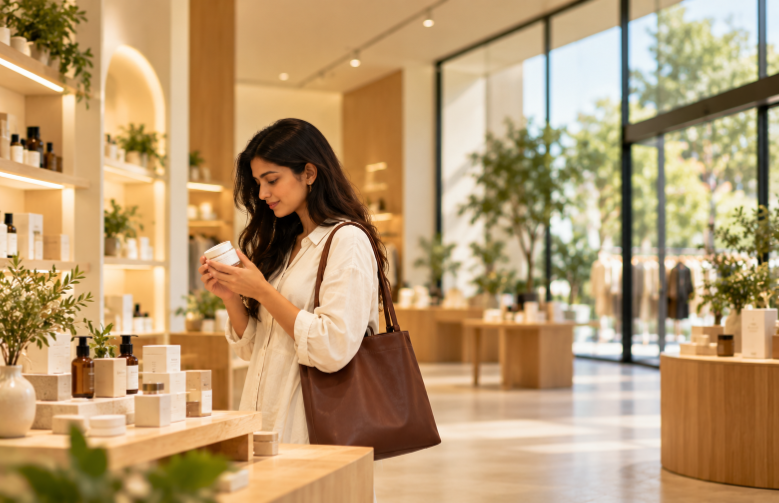

For years, the growth of e-commerce suggested that shopping was moving towards a screen-only future. Yet Indian brands are investing in physical stores again, from immersive flagship outlets to compact experience centres. The reason is simple: while online shopping offers convenience, a physical store creates opportunities for discovery, personal interaction and hands-on experiences that digital platforms cannot fully replicate.
This shift does not signal the decline of online retail. Instead, it reflects a more thoughtful approach to retail, where physical and digital channels work together to meet changing consumer expectations.
Why Physical Stores in India Are Making a Comeback
India’s retail market is evolving as consumers become increasingly comfortable with digital shopping while continuing to value in-person experiences. A 2025 report by CBRE highlighted growing demand for experiential flagship stores, innovative retail formats and outlets designed to engage younger consumers. These trends indicate that brands are increasingly viewing stores as more than transactional spaces.
Physical retail also addresses a fundamental limitation of online shopping: customers cannot always judge a product accurately through photographs and descriptions. Clothing needs to be tried on, furniture needs to be experienced in context, and beauty products often require personalised guidance.
For high-consideration purchases, visiting a store can reduce uncertainty and help customers make more confident decisions.
What Is Driving the Return to Physical Retail?

1. Experiences That Go Beyond Buying
Modern stores are designed to encourage exploration rather than simply display products. Interactive demonstrations, personalised consultations, curated interiors and product-testing areas give customers reasons to visit.
For example, a furniture showroom can help shoppers visualise how different materials and finishes work together, while a beauty store can offer product trials and tailored recommendations. These experiences create a stronger connection between the customer and the brand.
This is the essence of experiential retail: using the physical shopping environment to make a brand more engaging, memorable and useful.
2. Trust, Touch and Personal Interaction
Despite the convenience of online shopping, customers may hesitate when product quality, fit or authenticity is difficult to assess remotely. A physical outlet allows them to inspect materials, compare options and speak directly with knowledgeable staff.
Personal interaction matters particularly for premium products, electronics, jewellery and other purchases where customers want reassurance before spending.
A well-designed store can therefore build confidence as well as generate sales. However, the experience must justify the visit. Unhelpful staff, poor product availability and confusing layouts can undermine the very trust that physical retail is supposed to create.
3. Digital-First Brands Are Moving Offline
Brands that began online are increasingly exploring physical retail to reach customers beyond digital advertising and e-commerce marketplaces. According to CBRE’s September 2025 report on India’s direct-to-consumer retail sector, digitally native brands are using physical locations as part of broader omnichannel strategies.
A store gives these businesses a place to demonstrate products, meet customers and strengthen brand recognition. It can also introduce the brand to shoppers who discover products online but prefer to complete their purchases in person.
For emerging brands, pop-up stores and smaller experience centres can provide a practical way to test demand before committing to a larger retail footprint.
Omnichannel Retail: Connecting Online and Offline Shopping
The strongest retail strategies do not treat physical stores and e-commerce as competing channels. Instead, omnichannel retail connects them into a consistent customer journey.
A shopper might discover a product on Instagram, compare specifications on a website, visit a store to try it and later reorder through an app. The experience feels connected because product information, service and availability remain consistent across touchpoints.
Brands can strengthen this approach by offering click-and-collect services, real-time inventory information, digital payments and convenient returns across channels. Store associates can also use digital tools to provide accurate product information and personalised assistance.
The objective is not to force customers into a particular channel. It is to make shopping easier, wherever they choose to engage.
What Makes a Physical Store Successful Today?
Opening a store is not enough. Brands need to give customers a clear reason to visit and return.
Effective physical retail strategies typically include:
- A distinct purpose: Product trials, expert advice, demonstrations or exclusive collections.
- Customer-focused design: Easy navigation, accessible displays and comfortable spaces.
- Consistent digital integration: Accurate inventory, connected loyalty programmes and seamless service.
- Measurable performance: Tracking footfall, conversion rates, repeat visits and customer feedback.
These measures help businesses assess whether their stores are delivering value beyond immediate sales.
Conclusion: The Future of Retail Is Both Physical and Digital
Indian brands are bringing back the art of the physical store because shopping is about more than convenience. Customers also want confidence, interaction and experiences that help them connect with products and people.
The future belongs to retailers that combine digital efficiency with meaningful in-person engagement. For brands planning their next stage of growth, the opportunity lies in creating stores that offer genuine value rather than simply adding another sales channel.
Planning a retail strategy? Evaluate what your customers need most, identify where a physical experience can make a difference, and build a store concept that complements your digital presence.
Tags
Related Posts


Real Estate
Ready-to-Move vs Under-Construction Homes: Which One Makes More Sense?
Buying a home is a significant financial decision, and choosing between a…
Finance
SIP vs Lump Sum: How Do These Two Investment Approaches Differ?
Investing is not just about choosing the right mutual fund. It is…

Health
Screen Time and Your Eyes: What Long Hours on Devices Can Really Do to Your Eyes
From checking emails and attending online meetings to scrolling through social media,…