Business
The Subscription Economy: Why We’re Paying Monthly for Everything
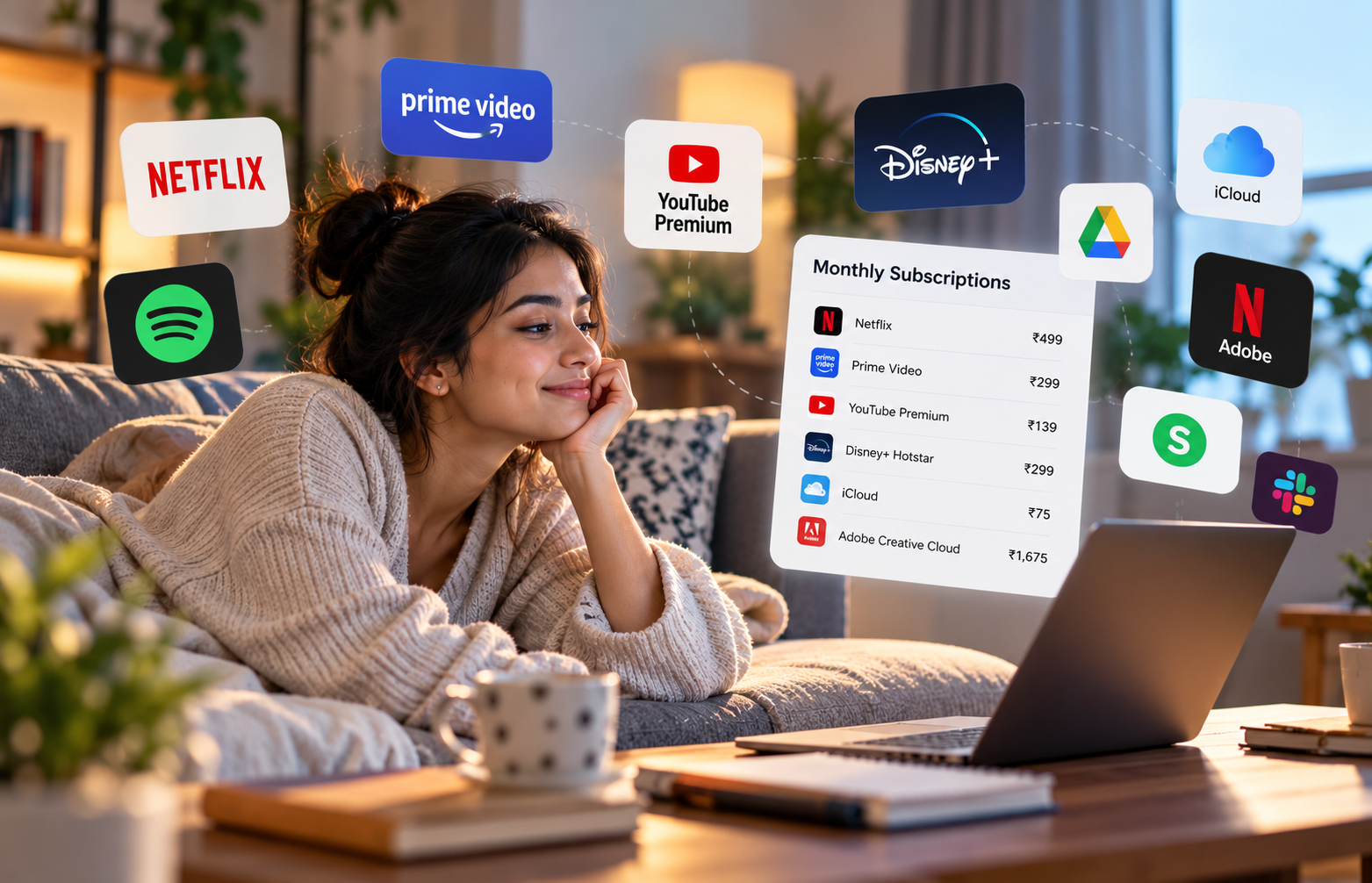

Remember when buying something meant paying for it once and using it for years? Today, listening to music, watching films, using design software, ordering groceries, and even accessing certain fitness programmes can come with a monthly fee. Instead of owning products outright, we are increasingly paying for continued access to them.
This shift is known as the subscription economy, and it has quietly changed how businesses make money and how consumers manage their spending. What started with newspapers, magazines, and television services has expanded into almost every corner of everyday life. But why are so many companies moving towards subscriptions, and why are consumers willing to pay repeatedly for things they once purchased only once? The answer lies in convenience, changing consumer expectations, and a business model that benefits companies in more ways than one.
What Is the Subscription Economy?
The subscription economy is a business model in which customers pay a recurring fee, usually monthly or annually, to access a product or service.
Think about your everyday expenses. You might pay for a streaming platform to watch your favourite shows, cloud storage to keep your photos safe, a music app for your daily commute, or software to edit videos. Individually, these payments may seem small. Together, they represent a significant change in how we consume products and services.
Unlike traditional purchases, where the transaction typically ends once the product is sold, subscriptions create an ongoing relationship between the business and the customer. Companies must continue providing value to convince customers to renew.
Why Are We Paying Monthly for Everything?
1. Convenience Has Become a Priority
Modern consumers often value convenience as much as the product itself. Subscriptions remove the need to make repeated purchases, download individual files, or pay separately every time a service is used.
For example, a streaming subscription gives users access to an entire content library without buying individual films. Similarly, cloud storage automatically keeps files accessible across devices.
The appeal is simple: pay a predictable fee and access what you need when you need it. For busy consumers, this convenience can make subscriptions feel like an easy choice.
2. Access Is Replacing Ownership
One of the biggest shifts behind the subscription economy is the growing preference for access over ownership.
Why purchase expensive software outright when you can use a subscription that includes updates and new features? Why buy every song when an entire music library is available through one app?
This model works particularly well for digital products, where businesses can provide access to the same service to millions of users. Consumers benefit from lower upfront costs, while companies generate recurring revenue.
However, access is not always cheaper in the long run. A monthly payment that seems affordable can eventually exceed the cost of purchasing a product outright, especially if the subscription remains active for years.
3. Personalisation Keeps Customers Coming Back
Subscriptions are no longer just about access. Many services use customer preferences and usage patterns to make their offerings feel more relevant.
Streaming platforms recommend shows based on viewing history, music apps create personalised playlists, and fitness platforms suggest workouts based on individual goals.
When a service becomes part of someone’s routine, cancelling it can feel like losing something tailored to their needs. Personalisation can improve the customer experience, but it also gives businesses another way to encourage long-term engagement.
4. Businesses Benefit From Predictable Revenue
The subscription economy is attractive to companies because it creates the potential for recurring income.
Instead of relying entirely on new sales every month, businesses can build a customer base that generates revenue over time. This helps with financial planning, product development, and customer retention strategies.
Subscriptions also provide businesses with insights into how customers use their products. These insights can help improve services, identify customer preferences, and develop relevant upgrades.
However, recurring revenue is not guaranteed profit. Companies must still manage customer acquisition costs, service delivery expenses, and cancellations. If customers stop seeing value, they can take their money elsewhere.
The Hidden Cost of Small Monthly Payments
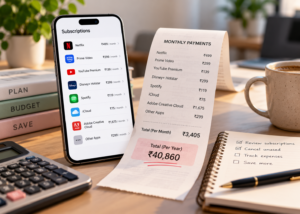
Here is where the subscription economy becomes tricky for consumers. A payment of ₹199 or ₹499 may not seem significant on its own. But when several subscriptions run simultaneously, the total can quietly eat into a monthly budget.
Consider five services costing ₹299 each. That adds up to ₹1,495 a month, or ₹17,940 a year. Add annual price increases, premium upgrades, and subscriptions you rarely use, and the expense can grow further.
Another common issue is subscription inertia. People sign up for free trials, forget to cancel, or continue paying for services simply because the amount seems too small to worry about.
Automatic renewals make subscriptions convenient, but they can also make spending less visible. The solution is not to avoid every subscription. It is to understand which ones genuinely add value.
How to Manage Your Subscriptions Better
You do not need to cancel everything to regain control of your spending. A few simple habits can help:
- Audit your subscriptions: Review your bank statements and app store payments to identify recurring charges.
- Calculate the annual cost: Multiply monthly fees by 12 to understand the actual financial commitment.
- Cancel what you rarely use: If you have not opened an app in months, consider whether it deserves a place in your budget.
- Rotate entertainment services: Subscribe to one streaming platform at a time and switch when there is something you genuinely want to watch elsewhere.
- Review free trials and renewals: Set reminders before trial periods end and check whether annual plans offer genuine savings.
The goal is to pay for services that improve your life, not accumulate monthly expenses simply because they are easy to activate.
Conclusion: Convenience Should Not Come at the Cost of Control
The subscription economy reflects how consumer behaviour is changing. We want flexibility, instant access, personalised experiences, and predictable payments. Businesses have responded by building services around these expectations, creating a model that can benefit both sides.
But recurring payments deserve the same attention as any other financial commitment. Convenience is valuable only when the service justifies its cost, and access is worthwhile only when we actually use what we pay for.
Take a moment to review your subscriptions this month. Which ones genuinely make your life easier, and which ones are simply taking money from your account?
The smartest subscription strategy is not having fewer subscriptions at all costs. It is knowing exactly what you are paying for, and why.
Tags
Related Posts




Real Estate
What Is a Pre-Launch Property? Things Buyers Should Know Before Investing
Imagine finding a property at a price lower than what the developer…

Health
Why Walking Is Having a Comeback: The Health Benefits of Getting More Steps In
You don’t need an expensive gym membership, a complicated workout routine, or…

Sports
The Rise of Women’s Sports in India: From Participation to Prime-Time Audiences
For years, women’s sports in India existed in a strange space. The…