Health
The Importance of Regular Health Check-Ups
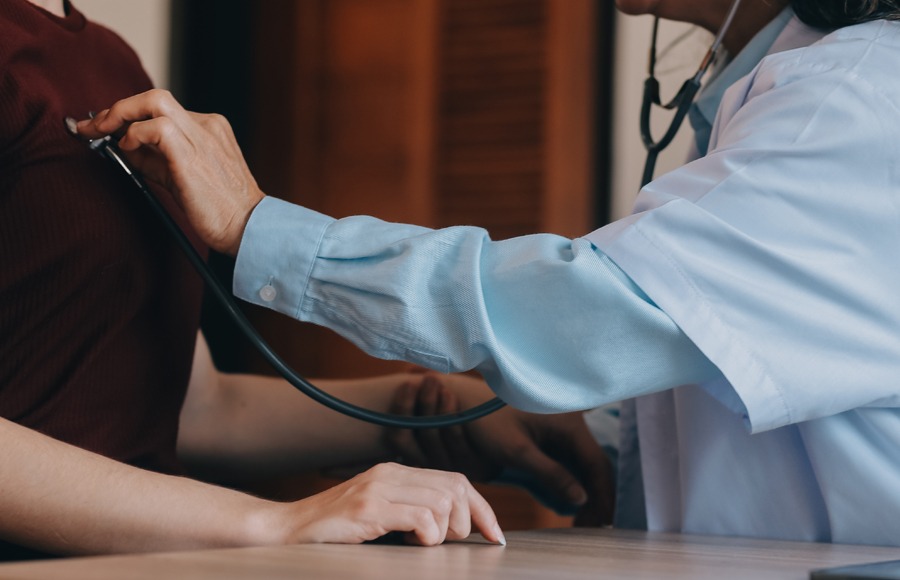

Staying in good health is one of the most important aspects of living a good life, and the majority of people don’t make it a priority unless they are feeling sick and in serious pain. One of the main reasons regular check-ups and preventative medicine are crucial is because they can play a role in detecting diseases and identifying them early on and help your body function as it should. There are many benefits to preventative medicine, such as being able to live a quality life while preventing the possibility of severe health conditions that could result in death.
Health check-ups give doctors the chance to track your overall health, identify early warning signs and help you provide guidance on what steps to take toward a healthy life. Prioritizing regular check-ups ensures that you are taking a proactive approach toward your personal health.
What is a Health Check-up?
Health check-ups refer to regular medical examinations performed by healthcare providers with the purpose of monitoring the body’s general health. A typical health check-up will include many components such as a physical check-up, a blood pressure test, blood tests, cholesterol checks, diabetes screening, and any additional test that will determine your specific age risks, disease risks, and medical history. A large number of common health problems often appear late into the body, so there is a greater importance placed on the possibility of recognizing disease in the early stages.
Early Disease Detection
The ability to quickly diagnose potentially life-threatening illnesses like cancer, diabetes, high blood pressure, and heart disease are perhaps one of the biggest reasons why regular health check-ups are considered so important by medical experts. The warning signs are not often noticed while symptoms of a potentially fatal disease are present and while some illnesses show the signs when it is too late, but there is still the possibility that one of these signals will be detected during a regular health check-up, at which time immediate treatment can be taken by medical experts, helping improve your survival rates and the likelihood of you recovering quickly from any potential complications as well as prevent expensive medical treatment that occurs when you’re later diagnosed.
Prevention is Better Than Cure
Preventative medicine refers to taking steps in order to prevent sickness instead of curing it. Doctors in a routine health check-up may notice lifestyle choices that will harm your body in the future, such as lack of nutrition or the kind of foods that you are eating. When it comes to being treated by medical experts, your doctor may give advice such as the following:
- Eating balanced meals.
- Participating in daily exercise programs.
- Using ways of coping with stress.
- Sleeping properly at night.
- Helping yourself reach a healthy weight.
- Avoiding both smoking and alcohol consumption.
These actions that can help someone avoid getting sick over a longer period of time.
Monitors Existing Health Conditions
For individuals that have long-term illness such as asthma or hypertension regular health check-ups can be a crucial part of their continued health. Chronic illness needs constant treatment so as not to cause further health risks, as the treatment is essential for keeping a patient healthy, as well as for ensuring the continued effectiveness of medication, in order that there are no more problems that may harm or cause fatal conditions that require constant doctor observation and guidance.
Better Mental Health Awareness
It is also crucial for health check-ups to be considerate of a person’s mental health and overall well-being. A doctor may notice any signs of conditions such as anxiety or depression, and provide the support and counselling that would help a patient be relieved and supported from this particular ailment that many people suffer from.
The encouragement of healthy living habits
A health check-up can be extremely helpful in ensuring you stick to the healthy living habits that benefit your body, and these are most of the reasons that people find the following behavior most likely in terms of actions:
- Eating healthy meals and the proper amount of them.
- Engaging in regular daily exercise.
- Staying sufficiently hydrated.
- Consuming sufficient levels of sleep.
- Controlling amounts of stress to lower your body’s intake.
- This ultimately will positively impact the mental and the physical health of a person in the future.
Reduces Risks of serious problems occurring
The prevention of certain diseases at a lower cost and level of health risk is a significant aspect when examining the benefit of attending regular check-ups. Those without check-ups and screenings tend to allow serious and life threatening problems to grow to a very serious level. Such diseases as high blood pressure and high cholesterol, although not at first a noticeable concern for most individuals can lead to extremely detrimental health issues. These conditions have the potential to cause a heart attack or a stroke, thus check-ups are designed to eliminate health risks by preventing and treating such illnesses while still in their primary stages.
Saves Money in the Long run
Many people are not willing to participate in health check-ups due to costs; however it’s the medical savings made from having a preventative diagnosis. Many times the cause of expensive and possibly fatal medical situations such as disease, or a serious injury can result from the individual ignoring initial signs of something more severe or it could be that the problem could be fixed using methods that were not overly expensive. In the long run many health check-ups prove to be the most economically viable way to solve minor issues, before they become serious health concerns.

Important health screenings for adults
For different age groups medical care should be varied and have particular purposes at different ages. Health checks-ups often contain:
- Blood pressure tests.
- Blood sugar checks.
- Cholesterol tests.
- Eye and dental examinations.
- Cancer screenings.
- Bone density tests.
- Cardiovascular examinations.
Additional check-ups may be prescribed by a doctor based on previous medical history.
Staying up to date with check-ups
Some simple tips and tricks may help an individual stick to attending their regular health check-ups:
- Schedule health check-ups a year in advance and at consistent times.
- Gather and store all medical records and history to present to the doctor.
- Be open and honest when speaking with your doctor and discussing what could be concerning to your health.
- Follow any given medical recommendations such as taking prescribed medications or adhering to an exercise program.
Conclusion
Health check-ups are a highly effective tool when it comes to preventative health care and diseases, making treatment easy, affordable, and enhancing an individual’s general well-being, making them highly recommendable. Adopting healthy eating habits and sticking to regular doctor check-ups are crucial factors toward the well-being of any person’s mental and physical health.
Tags
Related Posts




Business
Why Do Growing Businesses Choose Warehouse Easy for Smart Warehousing?
While growth is thrilling, it can be tricky for your supply chain.…

Health
Beginner’s Guide to Weight Loss: Healthy and Sustainable Tips
Let it roll! Who here wants to reduce the body weight for…

Finance
The Success of Avenue Supermarts DMart : Financial Lessons from India’s Retail Giant
India’s retail market has exploded in the last two decades, spurred by…