Health
How Noise Pollution Affects Your Health and Ways to Protect Yourself
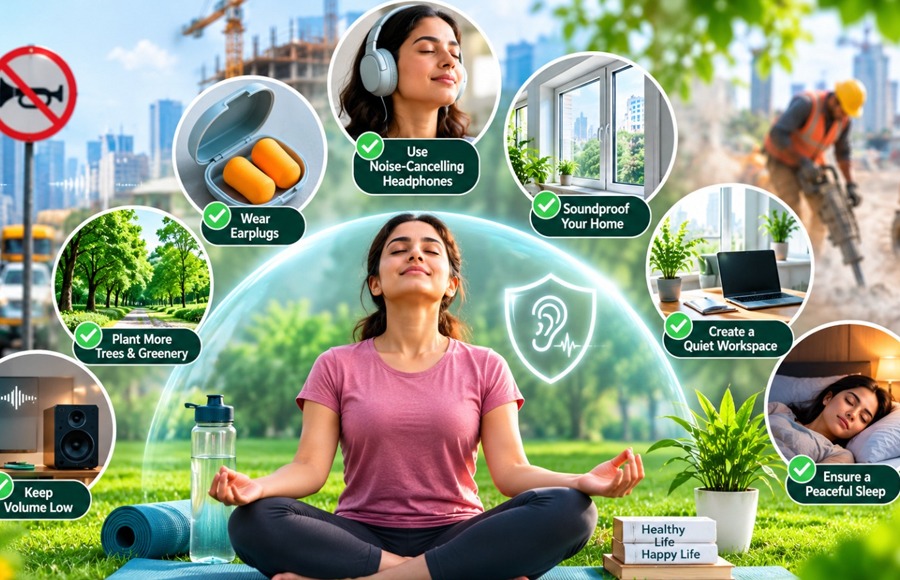

One of the most underestimated public health issues today that affects not just environment but also personal lives is noise pollution. A great hustle bustle of urbanization, huge volume of vehicles, numerous construction sites and construction work, factories, loudspeakers, electronic instruments; have led us to encounter enormous noise levels in urban as well as rural settings. An acute sound might seem like no threat, but regular encounter to the amplified noise has drastic negative impacts on health.
Most of us know what is the concern about water pollution or noise pollution, but it is not just air or water, to which a risk is imposed but equally at stake, is our health.
Noise pollution can interfere with our sleeping, ability to concentrate on a certain task, damages hearing, affecting heart condition and can cause frustration, irritation, depression to a healthy individual.
What Is Noise Pollution?
Noise pollution refers to unwanted or excessive sound that interferes with normal activities and negatively impacts health. Sounds become harmful when they are too loud, continuous, or occur at inappropriate times, such as during sleep.
Common sources of noise pollution include:
Road traffic and vehicle horns
- Construction sites
- Industrial machinery
- Airports and railway stations
- Loud music and entertainment venues
- Household appliances
- Personal audio devices used at high volume
The human body cannot entirely eliminate some noise produced by machines but too much over too much time may soon turn into a dangerous condition.
How Noise Pollution Affects Hearing
Hearing loss one of the best known health problems related to the impact of noise pollution. The long and constant noise at high intensities slowly impairs the sensitive hair cells which are responsible for transmitting sound signals to the brain. These cells of the ear are non renewable by the human body’s ability.
Residents of noise affected areas often suffer from decreased hearing, sometimes with annoying ringing in your ears, and even have irreversible hearing loss. So to not suffer from this, avoid the exposure to high levels of acoustic interference.
Increases Stress and Anxiety
Working with loud and inconsistent noises, puts immense strain and stress upon the body by triggering an adrenaline and cortisol rush when there is unnecessary noise within the environment. If exposure continues for sustained periods these hormones and the subsequent fight or flight responses can generate a whole range of emotional side effects including; irritation, mood swings and irritability and emotional burnout. The problem continues where by even if the sound of the noise becomes normal or accustomed, the stress response could persist although the body not is aware of it.
Disrupts Sleep Quality
If you cannot sleep through the night on account of noise, try creating a more restful sleep experience. Noises generated by traffic, noisy neighbours, construction sites, and media devices can cause you to come out of your sleep and deteriorate the sleep you get during the night. Sleep disturbance not just impacts focus and memory, but also the body’s disposition and defence mechanism along with performance.
Excessive long term sleep disturbance thanks to sound pollution might even raise your body’s vulnerability to chronic diseases. By using one of the following options and attempting sound insulation methods you can enhance how nicely you rest throughout the evening.
Affects Heart Health
In particular, scientific studies indicate a link between continuous and lengthy exposure to noise in our environment and the risk of high blood pressure and cardiovascular issues. Environmental noise causes our body to remain constantly in alert and can increase work for the cardiovascular system and blood circulation. Therefore, if your house is located close to motorways or an airport or has a factory in its vicinity you could be at increased risk of noise exposure with chronic exposure effects; on long term healthy heart lifestyle other initiatives, aimed at noise level reduction should also be considered.

Reduces Concentration and Productivity
Study, read, work at the office. You’re always being interrupted by noisy circumstances – TV’s, traffic, neighbours making a ruckus. These bothersome elements can interrupt with your work by making you feel that your brain doesn’t work proper; you’re losing time on solutions, and consequently your performance decreases throughout. Studies prove that students and workers may do better once working within the peace zone where there are not any bothersome disturbances. Set up working area that’s not disturbing.
Impacts Children’s Development
Children often appear particularly susceptible to noise as their brains are in the process of growing and learning. Being exposed to lots of noise over time could contribute to a decline in children’s learning, attention span and memory. It also impacts their ability to develop language. Classrooms in schools by the side of busy roads or near airports could also result in learning disadvantages if the noise continually pervades from the street below the window or from an airport above.
Common Signs of Noise Related Health Problems
Noise pollution may cause various symptoms, including:
- Ringing in the ears
- Difficulty hearing conversations
- Frequent headaches
- Poor concentration
- Irritability
- Trouble sleeping
- Increased stress
- Fatigue
These signs may well alert them to take protective steps against too much exposure to noise, and if ever required, help get some treatment that may prevent long term problems in later life.
Ways to Protect Yourself from Noise Pollution
- Limit Exposure to Loud Sounds: Spend as little time in noisy locations as you can. Take regular breaks in quieter surroundings whenever possible if you have to be present in noisy surroundings.
- Use Hearing Protection: Whether attending a concert, working construction, or being present in any situation with an increased volume of noise, using earplugs or noise reduction headphones will protect the auditory functions of your ears.
- Keep Headphone Volume Moderate: Whenever possible, remember the 60/60 rule don’t blast sound at more than 60% volume, and try not to do it for more than 60 minutes at a time without taking a break.
- Create a Quiet Home Environment: Turn off the TV while listening to music in the car and the computer if resting; apply rugs and drapes, and shut windows.
- Plant Trees and Greenery: Add trees, shrubs, or green patches to environmental sound, create peaceful settings and at the same time improve air quality.
- Practice Relaxation Techniques: Meditation, deep breathing, and yoga or mindful breathing in combination with such exercises, as well as mindfulness can mitigate the anxiety evoked by noisy circumstances.
- The Role of Communities and Governments: Addressing noise pollution collectively everyone has a responsibility to play a part in minimizing noise pollution. Government agencies may be able to establish noise controls, integrate acoustic design into infrastructure and city planning or design quieter public areas. Communities can also raise awareness or advocate for regulations or practices like curtailing honking in residential areas. Businesses, individual citizens, city councils and elected representatives must contribute to ensuring quieter communities.
Conclusion
It is of great health and environmental concern and is now becoming a threat to quality of life not only to man but as well as to animals too that can lead to hearing loss, sleep disruption, heart problems, difficulty concentrating and overall health and mental peace, especially in growing urban landscapes. These can include reducing individual exposure to noisy activities, proper usage of ear protection, maintaining quiet homes, and working with your community to address excessive noise. There can be many measures an individual may do as there is increased public awareness regarding issues of noise pollution and these may lead to individual actions toward maintaining quality life.
Tags
Related Posts




Health
The Importance of Healthy Posture for Preventing Everyday Back and Neck Pain
Back and neck pain are common afflictions in today’s world. Sitting at…

Finance
How India’s Corporate Investment Revival Could Create New Opportunities for Investors
India is about to hit an important milestone; private companies are starting…

Business
The Next Industrial Opportunity in India: Building Businesses Around Semiconductors, Space, Electronics and Solar
India’s industrial economy is entering a new phase. While traditional manufacturing remains…