Health
How Daily Mobility Exercises Improve Joint Health and Flexibility


Everyday mobility exercises benefit our health and mobility through a range of actions. Proper physical health is built on strength and endurance but it also requires another often-ignored physical trait known as mobility.
Mobility is the ability to move a joint actively or passively throughout its entire range of motion. The human body relies on healthy joints and muscles for a wide range of physical activities, from something as simple as walking, to bending, reaching and lifting.
In this day of long sitting hours, immobility and bad posture, the capability of the joints to perform well and smoothly has decreased, and will continue to do so unless we make an effort. Adding mobility exercises in our daily routine might be a good and time-efficient method to keep joints healthy and mobile, to improve flexibility, and increase our physical well-being. This may be the quickest way for significant physical improvement.
What are mobility exercises?
Mobility exercises are any exercise routine designed to improve the motion of the joints, the coordination and muscle balance of the entire body as well as flexibility. Mobility exercises are different from static stretching exercises that are meant to lengthen muscles, because they involves a joint moving within the range of motion through its set of muscles, tendons and ligaments.
These are a number of different mobility exercises, such as arm circles, shoulder circles, hip rotations, ankle circles, spinal twists and basic squats, that improve joint performance and benefit everyone, young athletes or old desk workers.
Supports Joint Health
Joints allow our bones to move and function effectively throughout our everyday lives and without our moving them often, the joints become stiff and lose their capability to operate properly.
Daily mobility exercise helps maintain healthy and moving joints through lubrication. Mobility encourages the body to produce synovial fluid in greater volumes, a natural joint lubricant, reducing any friction there is and enabling smooth operation between joints.
Improves Flexibility
Flexibility refers to muscles and connective tissues ability to elongate with movement and lacking flexibility is a contributor to the struggle to perform everyday tasks effectively.
A mobility exercise regime increases the length of our muscles through stretching, improving patterns of motion and gradually increases our flexibility, primarily at the shoulders, hips, ankles and the spine. This in turn makes us feel more at ease, both when going about daily tasks and physically and mentally.
Reduces Stiffness and Muscle Tightness
Being sat for too long, or even performing many of the same tasks on a daily basis, often leads to tight muscles and stiff joints, particularly felt around the lower back, lower back and neck and hips. Mobility exercises will aid in relaxing these tight muscles, increasing circulation and encouraging movement through the body. Pain levels are reduced and we enjoy exercise and movement more.
Supports Better Posture
Spending long periods sat at a desk, working on computers, using portable electronics, or undertaking repetitive job roles leads to poor posture, often called the slump. This extra stress placed upon the joints adds to their damage. Mobility exercise can counteract this by improving the motion of any tight joints and allowing an increase in body awareness. Adjusting your posture will ease pressure off the shoulders, the neck and the spine while reducing discomfort.
Helps Prevent Injuries
Restricted mobility contributes to a high number of strains and sprains suffered by athletes and desk workers through compensative muscle strain and/or joint dysfunction. Mobility exercises enhance body control, producing a far greater range of movement that reduce the chance of injury by enabling joints to work much more smoothly through their range of motion, vital for any athlete and for any of us that wish to remain as active as possible for as long as possible.
Enhances Physical Performance
Mobility has benefits beyond basic human functioning for any athelete, sports enthusiast or an individual looking to stay healthy by working out on a regular basis. Having a wide range of motion allows the muscles in the body to move effectively through the most efficient ranges of motion during weightlifting or playing sports or other exercises to gain maximum effort in sport and a good balance with your body. The greatest atheletes train their bodies to be mobile to improve the movement and efficiency of their actions. Non-athletes benefit by increasing their comfort through a wider range of movement.
Supports Healthy Aging
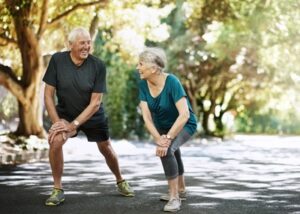
Aging causes joints and muscles to reduce in mobility which may result in reduced independence in elderly people. Mobility exercises promote independence by improving posture, enabling individuals to lead an active life by providing increased joint and muscle flexibility allowing the individual to complete everyday tasks at home and not feel limited.
Improves Blood Circulation
Exercise leads to blood circulation. Better blood circulation is able to carry nutrients to muscles and joints and removes waste products from the tissues. Greater circulation leads to more efficient muscle recovery and increased vitality, promoting healthy and functional muscle tissue as a good mobility regime ensures muscle tissues are stimulated and healthy, also providing greater vitality and reducing fatigue at the same time.
Simple Daily Mobility Exercises
- Neck Rolls: Slowly rotate neck to release tension, promoting upper body mobility.
- Shoulder Circles: Circles shoulders forward and backward to promote shoulder mobility.
- Hip Circles: Use gentle circular motion for lower body to promote mobility and ease of tightness.
- Ankle Circles: Promote balance and joint mobility in lower extremity.
- Spinal twists: promote spinal mobility and posture.
Bodyweight squats promote hip, knee and ankle mobility while building strength in the lower extremity. Your personal mobility program should be approached with slow and constant movements, starting with just five to ten minutes every day. Focus on form and you will gain positive results over time.
Conclusion
Mobility exercises contribute positively in many areas including joint and muscle health, mobility and posture and injury prevention. An effective mobility workout plan will help you have better movement throughout the day, enhancing your physical qualities and overall quality of life.
Tags
Related Posts




Real Estate
The Next Phase of Rental Housing in India: How Institutional Landlords Could Change Urban Living by 2027
The market for rental housing in India is evolving and entering a…
Health
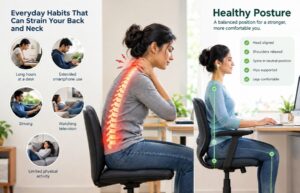
The Importance of Healthy Posture for Preventing Everyday Back and Neck Pain
Back and neck pain are common afflictions in today’s world. Sitting at…

Finance
How India’s Corporate Investment Revival Could Create New Opportunities for Investors
India is about to hit an important milestone; private companies are starting…