Travel
Top Eco Tourism Destinations for Sustainable Travel
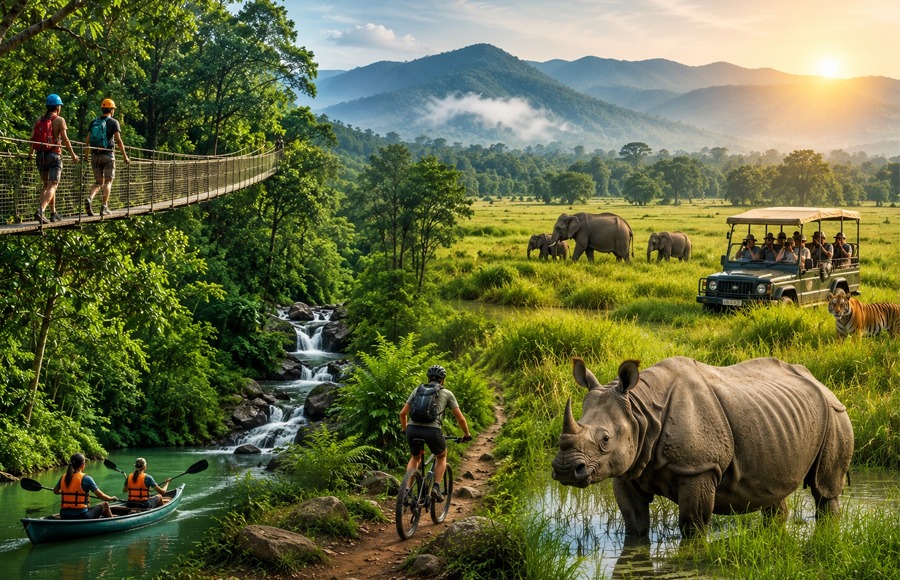

With more people aware about the effect of travelling in the environment, travelling can be sustainable. And this can be done through an eco tourism. In unlike traditional form of tourism, eco tourism aims to help protect nature, local communities and sustainable travel culture. It will make people love to experience the natural beauty and not destroy the environment.
Eco tourism destinations include rich, diverse flora, unique, endangered species found within wildlife sanctuaries and forest areas, islands, remote mountains etc. That gives you amazing travelling experience. Choosing sustainable tours, we not only save our earth but also helping communities get better through the tours that the provide. Here is a list of the top best eco tourism destination for every nature lovers and conscious travelers that they need to explore.
Thenmala, Kerala
Thenmala, the first planned eco tourism destination of India is a prime example of tourism for a better future. Located in the midst of abundant greenery of Western Ghats, thenmala aims at creating an opportunity to connect visitors with nature and also encourage eco conservation initiatives. The place hosts numerous activities that will connect you with nature and promote eco conservation, such as eco trails, mountain biking, boating, rock climbing, canopy walkways and also eco friendly initiatives like eco education and conservation projects. Thenmala is the best place for all those travelers who want to have a time filled with fun and adventure without disturbing Mother Nature.
Kaziranga National Park, Assam
The Kaziranga National Park, a UNESCO World Heritage Site, is the best known successful conservation area of endangered one horned rhino in India. This land also home for a multitude of elephant, tiger, wild buffalo, and hundreds of species of birds. Jeep safari and elephant safari can explore wildlife in kaziranga. You are guided by rangers in a disciplined ec tourism way to help in protecting nature and wildlife. Kaziranga national park is an Eden for wildlife and nature lover.
Sikkim
Sikkim is one of India’s top models of sustainable tourism practices. This pristine state of India takes immense care of the natural environment, has excellent standards of organic farming and works passionately for the preservation of the natural flora and fauna. One can visit monasteries, glacial lakes, high altitude villages and treks all the while choosing eco friendly homestays and businesses in the state. It successfully blends the aspect of spirituality and ecology.
Periyar Wildlife Sanctuary, Kerala
Periyar National Park community eco tourism can be a great example and the national park is in the Western Ghats and home to the elephants, tigers and various species of deer and birds. There is an option for bamboo rafting, guided nature walk and the local communities organise the jungle patrolling programs. This is the example for successful tourism and conservation collaboration.
Great Himalayan National Park, Himachal Pradesh
A visit to the Great Himalayan National Park is another wonderful opportunity to witness a World Heritage site that safeguards an assortment of Himalayan flora and fauna. It enables treks through the forests and into the alpine and rugged mountains with an absolute sense of environmental ethics. The natural unblemished charm is indeed the very essence of responsible adventure trekking in this area.
Sundarbans National Park, West Bengal
This park houses the planet’s biggest mangrove and the acclaimed royal Bengal Tiger. Eco friendly boat tours on the rivers not just reveal the magic of the Sundarbans, but also go a long way in conserving the sensitive habitats. The park is responsible for the welfare of its surrounding fishing communities and helps out with conservation programmes too. Sundarbans remains among the very peculiar ecotourism hotspots of India.
Mawlynnong, Meghalaya
Mawlynnong has earned itself a reputation as Asia’s cleanest village; local residents go to lengths to ensure high standards of hygiene and responsible waste disposal. Besides witnessing the beauty of the pristine village and soaking up traditional Khasi life, visitors can walk through a bamboo skywalk, visit the fascinating natural living root bridges close to Mawlynnong, and make a small contribution to the region’s community tourism initiatives. Mawlynnong serves as an excellent example of local involvement making ecotourism a truly enriching experience.
Spiti Valley, Himachal Pradesh
The pristine cold desert scenery of Spiti Valley, its historical monasteries and the village tourism which emphasizes on conservation, all these make the destination very special. Numerous homestays and local guesthouses here practice and encourage sustainable ways of living by minimizing plastic consumption, water conservation and generating sustainable income for the local people. Spiti Valley is the place where you will find a calm place for experiencing a real Himalayan sojourn.
Silent Valley National Park, Kerala
Protecting the last of its kind, Silent Valley National Park in Kerala guards one of India’s last pristine tropical evergreen rainforests. Home to rare creatures like the endangered lion tailed macaque, Silent Valley implements some of India’s strictest visiting policies in an attempt to minimise human intervention and its impact on the environment. A beacon of conservation success for the country, Silent Valley stands to this day as a tribute to Indian environmental preservation policies.

Chilika Lake, Odisha
One of Asia’s largest brackish water lakes, Chilika Lake is one of the most important of India’s important sites. Here live thousands of migratory birds as well as fish and dolphins and other species of Aquatic life. If we can maintain it we can earn lots by helping to make their livelihood a fisherman community . So boat rides and bird watching tour to chilka provides you a tour experience unforgettable in bird and wild life lover.
Tips for Sustainable Travel
It starts with easy everyday habits bring your own reusable water bottle, refuse to take plastic ware at the grocery, be respectful of animals, and stick to marked paths when hiking. One great way to have a positive impact is by patronizing eco friendly lodging, hire a local tour guide, shop at community stores and eat at locally owned restaurants to support tourism revenue among residents. One should always leave a destination in better shape than they found it. Travelers can do their part by keeping the natural environment free from litter.
Conclusion
These travel destinations serve as eco friendly alternatives where nature is not just seen but is preserved for future. Thenmala eco tourism in Kerala, Kaziranga National Park in Assam, Sikkim, and the Sundarbans National Park are some of the famous tourist attractions that exemplify eco friendly tourism that proves to be rewarding for nature as well as for local inhabitants. Therefore, all of us as tourists can choose eco friendly travelling spots and inculcate responsible travel etiquette to support our environment.
Tags
Related Posts




Business
Why Are Indian Companies Investing More in Employee Wellbeing?
A good salary can attract an employee, but it may not be…

Health
Gut-Brain Connection: How Digestive Health Can Affect Mood and Everyday Wellbeing
Have you ever experienced a nervous stomach before an important meeting or…

Finance
Digital Gold vs Physical Gold: What Indian Investors Should Know Before Buying
Gold has always had a special place in Indian households. It can…