Travel
Most Fascinating Ancient Ruins Every History Lover Should Visit
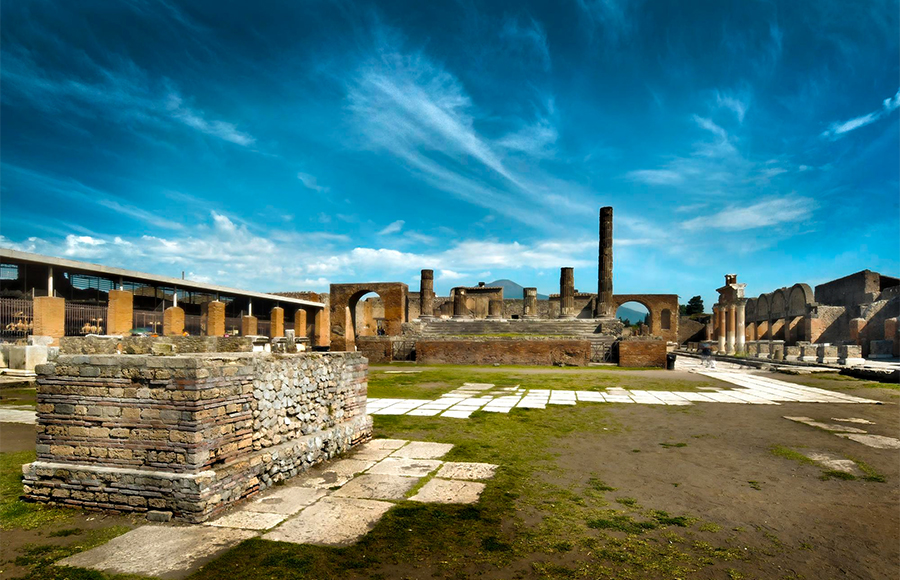

For those of you who love a bit of history-what are your essential ancient ruins? Preserved over centuries, ancient ruins are a glimpse of history, a look back into the lives of civilizations which are long gone. They may take the form of temples, abandoned cities, palatial chambers or peculiar monuments; but the architecture of each are awe-inspiring monuments of imagination, aspirations and lifestyles. Ancient ruins are far more than simply monuments from an ancient time to any keen historian. It is a window to a different time, and to people who lived many years ago to history that shapes the modern world we are all part of. There are hundreds of examples of ingenious ancient people all over the world whose design in construction, knowledge, architecture and religion will stun you; and here are just 9 amazing ancient ruins to visit for the keen historian:
Machu Picchu, Peru
Nestled high within the Andes Mountains in Peru lies the ancient Inca site of Machu Picchu. This Inca city, untouched by the world until the 20th Century is as breathtaking today as it was in the 15th century, as a perfect example of Inca building techniques and the simplicity and perfection of the Inca people and lifestyle, which you can learn more about through seeing their stones, fields and architecture.
Petra, Jordan
Known as the ‘Rose City’ due to its blush red colour, Petra, in Jordan is a rock-cut marvel and an archeological site to be seen! This city was once the capital of the Nabataeans and consisted of many temples, dwellings and tombs, most famously The Treasury and although these are brilliant structures, to visit the entrance into the complex, the Siq is truly a once-in-a-lifetime experience, as it leads to one of the most striking archeological sites on earth.
Pompeii, Italy
In 79AD, a volcanic eruption by Mount Vesuvius buried the city of Pompeii in ash and lava-an accident forever immortalised and an incredible glimpse into what Roman life was like. Today, Pompeii is one of the most perfectly preserved cities in the world, as the streets, and much of the Roman buildings themselves still exist, showing the Roman lifestyle; with impressive Roman mosaics and frescoes within the ancient buildings still in place. This famous site is a must visit for history enthusiasts traveling to Italy.
Angkor, Cambodia
As a former capital city of the once great Khmer Empire, today the ancient ruins of Angkor are a massive archeological park, with hundreds of temples all over the site; none so majestic as Angkor Wat, the largest religious monument in the world. The sheer size of the monuments and intricate carvings found everywhere in stonework and architecture are breathtaking as they slowly come alive with creeping nature, so seeing a sunrise at Angkor Wat really allows you to experience the wonders of the Khmer people.
Chichen Itza, Mexico
One of the most important archeological sites in Mexico and undeniably one of the most impressive from any pre-Hispanic civilization. The Maya, developed the heart of their society in Chichen Itza, with its main pyramid El Castillo standing prominently and which acts as a huge demonstration of the astronomical beliefs and calculations of the Maya. Among its many other attractions including tombs and temples, the site also boasts one of the world’s most significant ancient ball courts; a destination to draw in millions of tourists every year.
Ephesus, Turkey
Ancient Greco-Roman cities have fascinated people throughout time with their well-preserved buildings and stunning architectural prowess; there are few better places to witness this than at Ephesus. Previously a bustling and prosperous Roman city, Ephesus offers a spectacular snapshot of the time, as visitors can marvel at marble streets lined with colossal amphitheaters, bathing complexes, and temples; and admire the awe-inspiring Library of Celsus.
Luxor and Karnak Temples, Egypt
For anyone with an interest in ancient history and religion, Luxor and Karnak Temples would be an ideal destination. As the largest religious complex on earth, the Karnak Temples boast giant pillars, enormous statues and over a hundred impressive stone columns. The region is abundant with ruins of tombs, palaces and temples which collectively provide a history of Egypt’s ruling, religious practice and architecture.
Tikal, Guatemala
Tikal can arguably be considered Central America’s most impressive archeological site. Located in the deep Guatemalan jungles, the Mayan city has become an archeological park which represents the marriage between stunning architecture and raw, untamed nature; with breathtaking views across the canopy when standing atop the highest pyramids.

Acropolis of Athens, Greece
Undeniably, this is one of the world’s most recognized monuments from the ancient world; as the Acropolis in Athens stands high above the capital, housing the famous temple devoted to the Goddess Athena. It’s humanistic achievements and architectural feats can clearly be seen by visitors, with people to the monument able to absorb the philosophies, democracy, art, and architecture which are so fundamental to many Western cultures.
Why are ancient ruins so important?
It’s easy to think that they are merely old places to live or practice a religion but archeological sites hold so much more to a history enthusiast and are incredibly important to modern man; offering a window to peoples and societies who have long since passed, illustrating just how far we have come since it allows archeologists to examine and recreate people and their civilizations by learning about the tools, building materials, technology and historic events experienced, therefore it makes for a fascinating and educating holiday experience.
Conclusion
For me, one of the most amazing things to discover is ruins. From the rock cut city of Petra, to the ancient cities of Greece and Rome, to the temples of Egypt and mountain citadel of Machu Picchu, ancient sites are some of the most interesting places in the world to travel. These ancient sites are fantastic for any history fanatic as it allows one to travel back in time.
Tags
Related Posts



Health
Screen Time and Your Eyes: What Long Hours on Devices Can Really Do to Your Eyes
From checking emails and attending online meetings to scrolling through social media,…

Sports
How Sports Leagues Are Creating New Career Opportunities Beyond Athletes
Sports leagues are no longer defined solely by the athletes competing on…

Travel
How Railway Journeys Are Becoming Part of the Travel Experience Again
There was a time when a train journey was simply a way…