Travel
How Railway Journeys Are Becoming Part of the Travel Experience Again
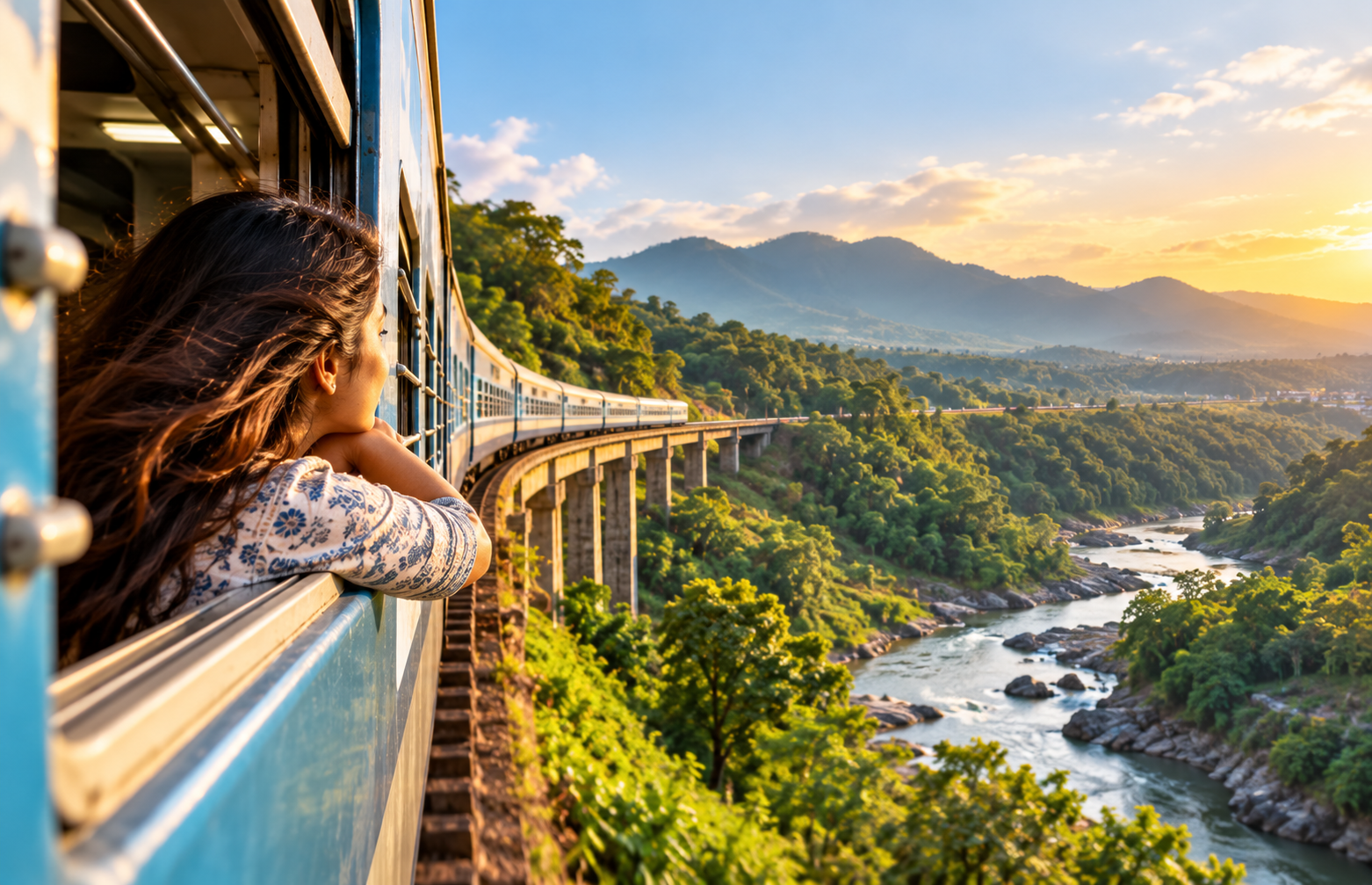

There was a time when a train journey was simply a way to get from one place to another. You booked a ticket, found your seat, watched the landscape pass by, and waited to reach your destination. Today, that familiar experience is finding a new place in the way people travel. For many, the train journey itself is becoming a reason to travel.
From watching mountains unfold beyond the window to enjoying regional food at a station, rail travel offers something that flights often cannot: a closer connection with the places between destinations. In India, improvements in passenger comfort, modern trains and tourism-focused rail services are adding to this appeal. But this renewed interest is not just about faster trains or better facilities. It reflects a wider shift towards travel that feels more immersive, relaxed and memorable.
Why Are Railway Journeys Becoming Popular Again?
1. The Journey Is Becoming as Important as the Destination
Modern travel often revolves around reaching a destination as quickly as possible. Yet, there is growing appeal in slowing down and experiencing the journey along the way.
A train window offers constantly changing views of rivers, fields, hills, small towns and everyday life. Unlike air travel, rail journeys allow passengers to observe landscapes at a more human scale, making the journey feel connected to the geography of the region.
For travellers seeking a break from packed itineraries, this can be refreshing. The journey becomes an experience in its own right, offering time to read, take photographs, talk to fellow passengers or simply enjoy the changing scenery.
2. Better Trains Are Changing Passenger Expectations
Comfort plays an important role in making rail travel attractive again. Modern train services are raising expectations around seating, cleanliness, onboard amenities and travel time.
India’s Vande Bharat Express is one example. According to the Ministry of Railways, nearly 3.98 crore passengers travelled on Vande Bharat services during FY 2025–26, representing approximately 34% growth over the previous financial year. This points to strong demand for modern rail services, although it does not mean every passenger is travelling primarily for leisure.
Alongside newer trains, station redevelopment is improving facilities such as waiting areas, lifts, escalators and food courts. These improvements matter because the travel experience begins before passengers board and continues until they reach their destination.
The result is a more comfortable journey that can appeal to both practical commuters and leisure travellers.
3. Scenic Routes Are Becoming Travel Attractions
Some railway routes offer experiences that are difficult to replicate through other modes of transport. Mountain railways, coastal stretches and journeys through forested landscapes allow travellers to experience the destination gradually.
In India, heritage railways and hill routes have long attracted visitors. The Darjeeling Himalayan Railway, Nilgiri Mountain Railway and Kalka–Shimla Railway are notable examples where the route, engineering and surrounding landscape are integral to the experience.
These journeys appeal to travellers who want more than a checklist of tourist attractions. The slow passage through changing terrain becomes part of the memory they take home.
For travel planners and tourism businesses, this creates an opportunity to position railway journeys as attractions rather than merely transport options.
4. The Rise of Themed Railway Tourism
Rail travel is also becoming a structured tourism experience through dedicated tourist trains and curated itineraries.
IRCTC’s Bharat Gaurav Tourist Trains, for instance, offer theme-based circuits that can combine train travel with hotel stays, guided excursions, meals and local transfers. These packages can make multi-destination trips easier to organise, particularly for travellers visiting religious, cultural or historical sites.
Such journeys are especially relevant in a country like India, where destinations often carry distinct cultural identities. A single itinerary might connect temple towns, heritage monuments and regional attractions, helping travellers explore several places without planning every transfer independently.
Luxury tourist trains offer another approach, combining curated sightseeing with premium onboard services. Together, these formats show how railways can become part of the holiday experience itself.
5. Food, Culture and Human Connections Add Meaning
A railway journey is also an introduction to the places it passes through. Regional food, station markets, local languages and conversations with fellow passengers can make travel feel more personal.
A cup of tea on a station platform, a regional snack bought during a halt or a conversation with someone travelling home can become as memorable as a major sightseeing stop.
Indian Railways has also highlighted the inclusion of local cuisine and improvements in onboard food services as part of its efforts to enhance the passenger experience.
For travellers interested in cultural discovery, these details offer a glimpse into everyday life beyond the usual tourist attractions. The train becomes a moving window into the country’s diversity.
6. Rail Travel Offers a More Considered Way to Explore
Sustainability is another reason rail travel deserves attention. Trains can produce lower greenhouse gas emissions per passenger-kilometre than private cars and aircraft, particularly when services are well utilised and powered by cleaner electricity.
However, the environmental impact depends on the route, occupancy, energy source and the alternative mode of transport. Rail travel is not automatically impact-free, but it can be a more resource-efficient choice for many journeys.
Beyond emissions, travelling by train can encourage a different pace of exploration. Instead of rushing between destinations, passengers have time to appreciate the transition from one region to another.
What This Means for the Future of Travel?
The renewed interest in railway journeys creates opportunities for tourism boards, hospitality businesses and travel operators to build experiences around routes, regional culture and local destinations.
Better connectivity can help travellers reach lesser-known places, while curated packages can make complex itineraries easier to plan. At the same time, the experience depends on reliable services, accessible stations, good hygiene, safety and clear passenger information.
Modernisation alone is not enough. The real opportunity lies in combining convenience with the distinctive character that makes rail travel memorable.
Conclusion
Railway journeys are finding renewed relevance because they offer more than transportation. They combine changing landscapes, cultural encounters, onboard comfort and the pleasure of travelling at a pace that allows people to notice their surroundings.
As Indian Railways continues to modernise services and expand tourism-oriented offerings, the train journey has the potential to become an increasingly meaningful part of the holiday itself.
The next time you plan a trip, consider choosing a route for what you can experience along the way, not just how quickly you can arrive. Sometimes, the most memorable part of travelling is everything that happens between the starting point and the destination.
Tags
Related Posts




Business
The Subscription Economy: Why We’re Paying Monthly for Everything
Remember when buying something meant paying for it once and using it…

Real Estate
What Is a Pre-Launch Property? Things Buyers Should Know Before Investing
Imagine finding a property at a price lower than what the developer…

Health
Why Walking Is Having a Comeback: The Health Benefits of Getting More Steps In
You don’t need an expensive gym membership, a complicated workout routine, or…