Health
The Benefits of Reducing Salt Intake for Better Health


The world’s favourite food seasoning, the key ingredient of salt, sodium chloride can cause various health problems if eaten in too great a quantity. While a tiny amount of sodium is actually needed for the body’s functioning, today many of us eat too much and this can lead to several chronic diseases. Fortunately, just a few changes can greatly improve the way that you feel.
How Much Salt is needed by Your Body?
Salt, or sodium chloride, contains sodium, a mineral that helps balance the fluids in the body as well as the functioning of nerves and muscle contractions, but only small amounts of sodium are needed by the body. The thing about too much sodium is that in today’s diets this is a common problem as we consume large quantities of sodium as part of processed foods, fast foods, salty snacks and meals eaten out. It is too much sodium that causes problems like excess fluid to build up in your body as well as put increased strain upon the blood vessels and your heart.
Health Issues Associated with Too Much Salt
Regular intake of too much salt will eventually impact upon the health of the person it is consumed by. A main result of too much sodium intake is that it can cause high blood pressure (hypertension) which will result in placing further strain upon your heart, which can cause you to have a stroke or a heart attack. Your kidneys are placed under huge strain also causing them to eventually become damaged and as such they cannot perform their duty to their full potential and retain excessive fluids, which in turn will cause you to feel bloated and swollen. Unbeknownst to most there is also a lot of ‘hidden’ salt in some processed foods.
It Helps To Control Blood Pressure
One of the biggest benefits of eating a low-sodium diet is that the body’s blood pressure will be brought down to a much more manageable level. When too much water is retained in the body blood volume rises, and this then increases blood pressure within the blood vessels. With low sodium intake, you should therefore have fewer fluids retained in your body and subsequently blood pressure will be much lower. Regulating your blood pressure is vital, particularly if you are at risk for heart related illnesses. Small dietary changes can make such a big difference.
Better For Your Heart
You will also find that your heart will start to improve when you cut down on sodium. Sodium can be harmful to your heart as it will raise your risk of having a stroke or a heart attack by huge amounts. With a low-sodium diet and other healthy habits blood should be circulating more freely and placing less strain upon your heart.
A Kidney Friendly Diet
It is your kidneys job to filter away excess fluid from your body so over-eating salt places enormous pressure on the organ and over time may lead to your kidneys having decreased functioning or a kidney illness or stone. Keep salt to a minimum so your kidneys have less of a strain to deal with.
Reduced Bloating
Salty foods cause water retention which means that you will feel bloated and quite uncomfortable and puffy! Excessive sodium will often cause fluid retention and you will be much more mobile and feel much lighter when following a low-sodium diet.
Bone Health Can be improved
It is thought that excessive consumption of sodium may cause more calcium to be lost from the bones through urine; over many years high sodium levels can eventually weaken your bones which can lead to a condition known as osteoporosis.
It Promotes Healthy Eating Habits
By restricting the amount of sodium that you eat, many people find they naturally turn to healthier options as part of their diet, and these foods don’t need salt in them anyway – for example fresh fruit, vegetables and whole grains; and there is no end to healthy lean protein. You will also become more aware of what foods contain sodium and thus you will be sure to check labels on the foods you are buying. You may even start cooking your own meals at home which are usually much healthier than meals purchased ready-made and you will find yourself much more tempted to add herbs and spices to dishes, which add great flavour where salt may have been present before.
Maintains Healthy Weight
Many unhealthy salty snacks also contain lots of fat and calories so they will make you put on weight quite quickly. Instead of reaching for a bag of chips, have an apple, banana or a healthier snack like seeds or nuts (though these also contain salt so don’t eat too many).
How do you know if you are eating too much salt?
- Thirsty more often
- Bloated
- Swelling (usually around legs and ankles)
- High blood pressure
- Lots of headaches
- Water retention
- You feel tired
Tips to reducing your intake of salt
- Foods with the highest sodium content are processed foods, eat lots of fruits, vegetables and home cooked meals.
- Take the time to check sodium levels on the foods that you are buying.
- Cook at home whenever you get a chance so you have more control over what is added to food.
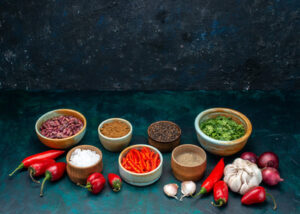
- Use spices, herbs, pepper, garlic or things like lemon juice and ginger for added flavour and not salt.
Cut down the amount of salt that you eat by little by little and your taste buds will get used to having less salt in them, you won’t even know.
Conclusion
All in all, eating a lower-sodium diet can have fantastic benefits for your health such as controlling your blood pressure, improving heart health and lowering your risk of having kidney disease. Small changes to your daily diet will have a massive effect upon your quality of life, not to mention helping you avoid illness in later life.
Tags
Related Posts




Business
The Subscription Economy: Why We’re Paying Monthly for Everything
Remember when buying something meant paying for it once and using it…

Real Estate
What Is a Pre-Launch Property? Things Buyers Should Know Before Investing
Imagine finding a property at a price lower than what the developer…

Health
Why Walking Is Having a Comeback: The Health Benefits of Getting More Steps In
You don’t need an expensive gym membership, a complicated workout routine, or…