Health
Health Risks of Rainy Season and Simple Ways to Prevent Them
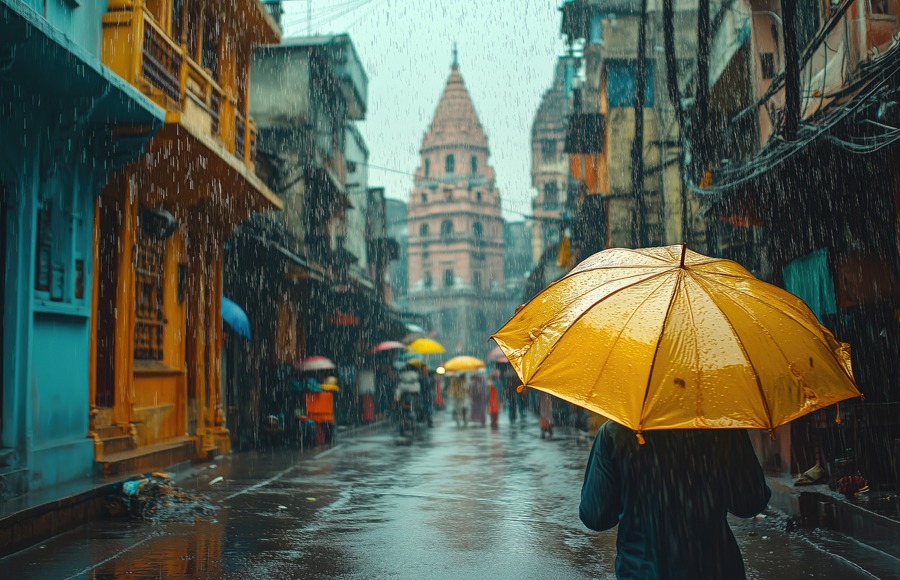

After the scorching summer months, monsoon brings along the comfort of soothing weather and crisp air. Most of us enjoy the ambiance and melodious sound of rains, but this season can also bring along numerous health problems. The high humidity, abundant water puddles, increased chances of getting sick due to infections, and a proliferation of mosquitoes make the monsoon season more prone to hazards which threaten overall health. It’s the little things like practicing good hygiene, safe eating habits and taking preventive measures that will keep you healthy this season. An understanding of the prevalent infections of monsoon and remedies to fight them will ensure you don’t fall sick.
Why the Rainy Season Increases Health Risks
Rainy weather becomes an ideal breeding ground for all sorts of microorganisms, which cause health problems and can multiply easily in such conditions. Waterlogging creates an ideal breeding environment for mosquitoes which also carry many vector-borne diseases and their infections. The humidity level is very high, promoting the growth of fungi and bacteria which can cause skin infections and many other hygiene related problems. In such conditions, the drinking water and food can easily get contaminated easily. So all of this requires special attention and preventive measures are taken with utmost priority.
Waterborne Diseases
Waterborne infections are the most common among other illnesses during monsoon. Water sources become contaminated due to rains and consumption of contaminated water leads to diseases that are transmitted by harmful bacteria, viruses, and parasites. Diarrhea, Typhoid, cholera, food poisoning and stomach infections are all water-borne diseases which are usually manifested by vomiting, abdominal pain, dehydration and fatigue. All of these can be cured and managed easily with drinking boiled/ filtered water, sanitation, hygiene etc.
Mosquito-borne Diseases
With the accumulation of water in pots, pits, drains, buckets, coolers, etc., the rainy season becomes a suitable place for breeding mosquitoes, leading to an increased chance of getting diseases like dengue, malaria, chikungunya and viral fevers. Usually these are high fevers and bodily weakness with chills.
Cold, Cough and Viral Infections
Due to dropping temperatures, staying wet and proliferation of airborne viruses that thrive well at this temperature lead to colds, coughs and viral infections. Due to general weakness and suppressed immune response the infection could reach anybody but its effect could be minimal or high depending on individual factors, the common cold and flu are the most prevalent symptoms. Though this is generally common among many and children and elders at more risk, it is curable through proper diet and rest.
Fungal and Skin Infections
High humidity and moisture levels create conditions suitable for fungal growth on skin causing infections like fungal infections of skin, itching, rashes etc. Wet shoes, damp clothes and excessive sweat could cause these infections.
Digestive Problems
Unsanitary conditions and unhealthy food, especially street food, can lead to serious health problems such as stomach aches and digestive infections during the rainy season. Eating fresh cooked food is essential.

Allergies and Respiratory problems
Humidity, mold and air pollution causes allergies and breathing problem in rainy season. Damp walls, wet carpet, non-ventilated room etc are main places where dust and mold is more easily breeded. People having asthma, sinus or other respiratory problem gets their problems in bad situation during rainy time. Symptoms such as sneeze, nasal congestion, wheezing, shortness of breath, coughing, chest tightness are common problems with them. Those can hinder one’s life, make him week and sleep is very disturbed. Sudden change in weather and moist air would also irritating for the air way and causes breath problem.
Children and old people are more susceptible to seasonal breathing problems than any other persons. A well ventilated and dry room is very helpful for preventing allergies. An air purifier can prevent you and some other tips such as wear dry cloths, do not use wet cloth and consult doctor if you have respiratory problems in rainy season are good.
Simple Ways to Prevent Rainy Season Health Problems
- Always drink boiled, filtered or purified water.
- Always maintain good sanitation and hygiene by washing hands with soap after and before food intake.
- Make sure you eliminate any water stagnation in the vicinity by emptying water from pots, puddles etc.
- Sleep under a mosquito net, apply mosquito repellents and wear long-sleeved clothing.
- Never eat outside from food stalls; eat freshly cooked, hygienic food.
- Maintain cleanliness and hygiene of your surroundings. Keep your body dry by changing wet clothes at the earliest, drying your feet properly after being outside.
- Increase your immunity with nutrient-rich foods such as fresh fruits, vegetables and warm meals.
- Get ample amount of sleep and rest to allow your body to recover quickly.
When to Seek Medical Help
It is important to consult a doctor if symptoms become very severe or do not subside even after trying all prevention measures. These could include:
- Severe Fever
- Dehydration
- Breathlessness
- Persistent Vomiting
- Extreme Weakness
- Acute Body Pain
Seeking medical help promptly is essential for timely treatment and recovery.
Conclusion
Waterborne illnesses, mosquito-borne diseases, colds, coughs, viral fevers, stomach illnesses, fungal skin conditions and breathing ailments are quite common during monsoon which can have grave implications if not treated on time. The aforementioned preventive measures will definitely help you safeguard yourself from these illnesses so that you enjoy the delightful season of rain.
Tags
Related Posts



Health
The Importance of Healthy Posture for Preventing Everyday Back and Neck Pain
Back and neck pain are common afflictions in today’s world. Sitting at…

Finance
How India’s Corporate Investment Revival Could Create New Opportunities for Investors
India is about to hit an important milestone; private companies are starting…

Business
The Next Industrial Opportunity in India: Building Businesses Around Semiconductors, Space, Electronics and Solar
India’s industrial economy is entering a new phase. While traditional manufacturing remains…