Real Estate
How Flood-Prone Areas Affect Property Investment Decisions
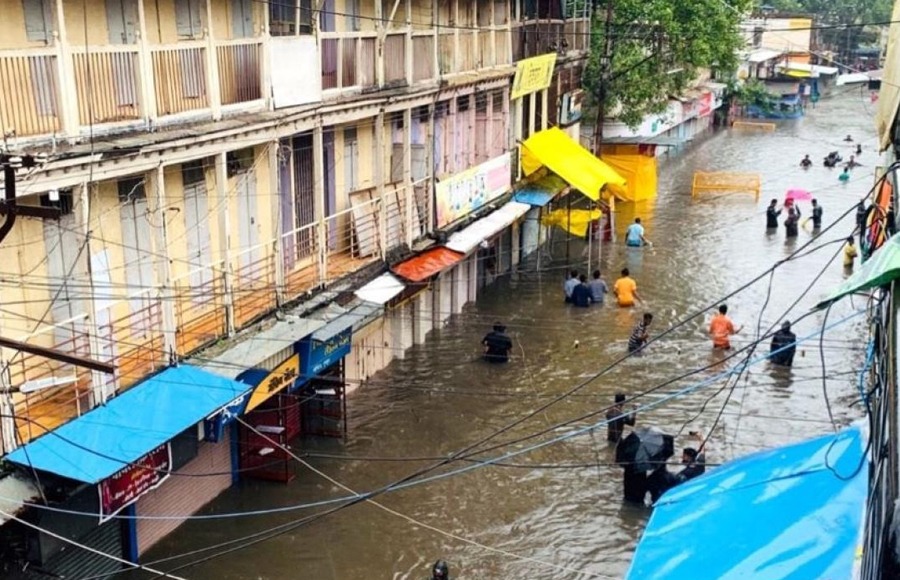

Purchasing property isn’t merely tied to location, infrastructure, accessibility as well as prospect development. Environmentally friendly risk analysis is also part of modern actual property purchases. With the rise of the extreme weather, the flooding risk aspect is significantly being looked into across residential and commercial actual property markets. How do areas that are prone to flood have an effect on the buying of actual property? Let’s examine this.
What Makes an Area Flood-Prone?
A flood-prone location, as described by various sources such as FEMA in the us, is usually defined as any kind of place that has the next threat of flooding in relation to normal (non-seasonal, rainfall) rainfall levels, rise, storm surges from coastal hurricanes, or possibly overflows from waterways.
Typically such areas result from:
- Poor water drainage
- Heavy rain
- Riverine overflows
- Ocean storm surges
- Very low terrain
The rapid growth associated with urbanization and cities
Frequently, this situation is aggravated through rapid growth as well as inadequate water drainage systems that usually result in overflowing sewers plus drainage systems throughout torrential rains or through flood seasons.
Impact on Property Value
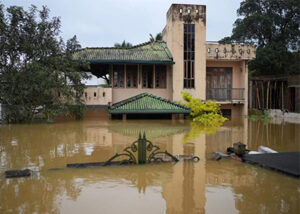
Flood risk can directly affect property values. Properties located in flood-prone areas often experience lower demand compared to safer locations.
Buyers may hesitate because of concerns related to:
- Property damage
- Repair costs
- Safety risks
- Resale challenges
As demand decreases, property prices may remain stagnant or appreciate more slowly.
In severe cases, repeated flooding can significantly reduce market value.
Investors focused on capital appreciation must consider whether flood exposure may limit future returns.
Increased Maintenance and Repair Costs
The impact on your home structure and contents can be overwhelming. Some of the potential damage includes:
- Cracked walls
- Foundation compromised
- Electrical problems
- Plumbing problems
- Mold development
- Ruined furniture
Even small floods are expensive to repair and maintain. Recurring water damage over the life of the property can substantially increase long term ownership cost and negatively impacting investment returns. This is a crucial consideration for landlords where ensuring the property remains habitable for renters is a requirement.
Higher Insurance Costs
Properties in flood-risk areas may need different types of insurance.
- High flood probability
- Historical flooding records
- Increased claim risks
Few insurance policies provide comprehensive coverage or offer favorable deductible rates for flood damages. Extra Costs Could Reduce Return on investment All these extra expenses can reduce total investment returns. Investors always consider insurance expenses when analyzing the potential return of investment for any property.
Lower Rental Demand in Some Markets
Another impact on behaviour is for tenants. Many tenants will favour communities perceived as having a smaller environmental threat. Factors influencing tenant avoidance of flood-prone areas:
- Safety
- Property damage
- Transportation disruption
- Daily inconvenience
Lower tenant demand can lead to:
- Higher vacancy rates
- Reduced rental income
- Greater tenant turnover
For investors in search of rental income the flood risk can contribute to the uncertainty. It’s the effect, though, depends on the marketability of the location, whether it is financially viable to let flood-prone properties and whether the demand for rentals in the region is healthy.
Difficulty in Resale
More expensive to resell property located in the floodplain. There are more up-to-date ways that buyers check the market:
- Climate risks
- Historical flood records
- Local drainage quality
In an area prone to flooding, an experienced buyer may fight hard for a good deal or walk away from the investment.
This could slow the sale of your property, and your profits could be smaller than you expect. For a buyer who intends to hold on for less time, the ability to quickly convert the property to cash takes on greater significance.
Infrastructure Quality Matters
Some floods are riskier than others. While even powerful infrastructure is not fool proof, it can make a big difference when it comes to minimizing damage and flooding. Key infrastructure measures used for protection against flooding include:
- Effective drainage systems
- Pumping stations
- Elevated roads
- Flood barriers
- Rainwater management systems
Despite periodic flooding, even an area with newer storm water management might be enticing to future buyers. But the municipality’s infrastructure should be a topic of investor’s research prior to investing. In the long term good infrastructure often creates good resiliency.
Climate Change Increasing Risk
By now, it is clear that environmental risk is the key factor in real estate decision-making thanks to the increase in climate change events in various parts of the world. Many locations are observing:
- More intense rainfall
- Rising sea levels
- Stronger storms
- Increased flash floods
Previously Low-risk areas could become much more susceptible to flood. This impacts how we plan our properties in the long term. Climate predictions should be factored into investment risk.
Flood-Resistant Construction Can Reduce Risk
Modern design can help minimize flood damage. Examples are:
- Elevated foundations
- Water-resistant materials
- Raised electrical systems
- Improved drainage design
- Flood barriers
Properties featuring resilient design may perform better in a high-risk area. This approach is now more and more commonly utilized by developers to create new properties. These properties could provide greater investment security in the long run.
Investment Opportunities in Certain Cases
However flood risk is not all bad investment. Lower price sometimes can be beneficial for knowledgeable investors. What you could benefit from it?
- Lower entry cost
- Future infrastructure upgrades
- Urban redevelopment potential
If governments make considerable investment into flood management then, after several years, they may see some capital gains as property values increase. But these investment opportunities require critical assessment. And of course, they come with significant environmental risks which need to be assessed with a reasonable tolerance for risk.
Key Questions Investors Should Ask
There are a few important things an investor looking to buy in a flood-zone should consider:
- Has the property flooded before?
- How often does flooding occur?
- What is the local drainage condition?
- Is flood insurance available?
- Are flood-control projects planned nearby?
- How does climate risk affect long-term value?
By addressing such issues, investment decisions can be better. Careful investment of time can also decrease the possibility of unforeseen losses.
Importance of Due Diligence
When you’re purchasing in environmentally sensitive zones you will be required to dig into the purchase more than you’d with a normal property deal. The following should be checked out:
- Flood maps
- Government records
- Historical weather data
- Insurance costs
- Local infrastructure plans
Consulting:
- Real estate experts
- Environmental specialists
- Legal advisors
A risk assessment should focus on preventing further erosion of long-term investment return.
Future of Real Estate in Flood-Risk Areas
There may be a shift towards… Future house designs The increase in our sensitivity to environmental concerns means flood risk will have more of an effect on property markets. There may be a future shift toward:
- Smarter climate-resilient construction
- Better urban drainage systems
- Stronger zoning regulations
- Increased sustainability planning
Governments and developers will have to come to grips with the realities of climate change. There may even be benefits to houses with well-established resilience systems as climate conditions worsen.
Key Effects of Flood Risk on Property Investment
- Effects to property investment: The level of flooding will strongly affect the decisions regarding investment into real estate.
- Prices: Houses or apartments situated in flood-prone areas usually have lower sale prices.
- Insurance: Insurance in flood-prone areas will probably be significantly more expensive.
- Rent: Housing in the areas susceptible to flood would have less demand.
- Repairs: It would probably be more expensive to repair houses in flood-prone areas
- Resales: Re-sales in areas prone to floods would be much harder to carry out, possibly with significant losses.
Conclusion
It is necessary to investigate flood record, quality of infrastructure, climate change and to prepare mitigation measures prior to purchasing property in flood-prone region. Careful analysis of risks connected with climate change and flood risk, is becoming even more relevant.
Tags
Related Posts



Real Estate
The Next Phase of Rental Housing in India: How Institutional Landlords Could Change Urban Living by 2027
The market for rental housing in India is evolving and entering a…

Health
The Importance of Healthy Posture for Preventing Everyday Back and Neck Pain
Back and neck pain are common afflictions in today’s world. Sitting at…

Finance
How India’s Corporate Investment Revival Could Create New Opportunities for Investors
India is about to hit an important milestone; private companies are starting…