Real Estate
The Impact of Population Migration on Regional Housing Markets
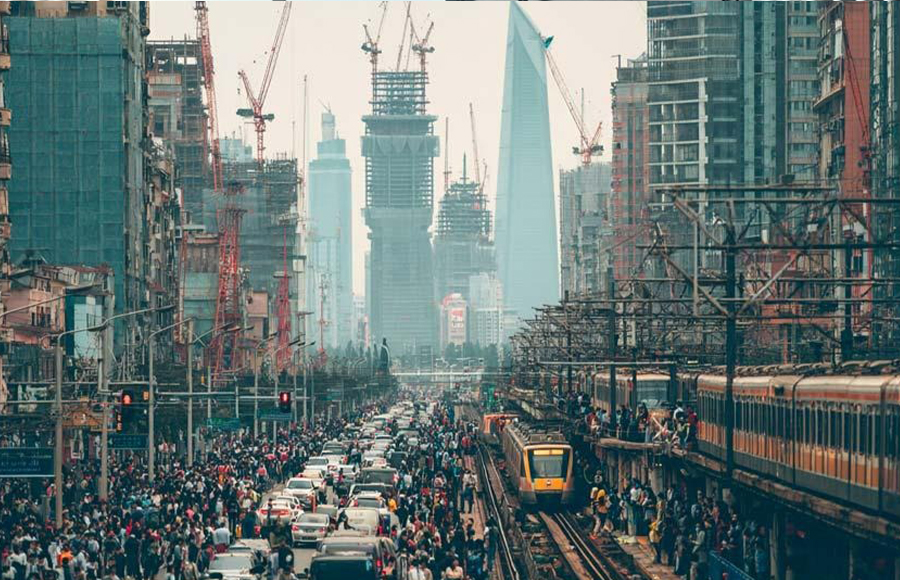

Among all influences upon present day’s property sectors, a lot of important elements were the result of changing and moving peoples from place to location because of education’s pursuit, jobs searching, good living experience as well as cost of living as well as others elements. Migration can be done within in a country that is it may be from rural location in order to urban, or between two nation’s borders, and also in various levels changing demographic flow directly impacts residential price, lease costs and regional growth as well as the entire purchasing potentialities or market growth for investors. For purchaser, developer, speculator, as well as planner it should be well understood the way it influence home sales.
What Is Population Migration?
Population migration refers to the movement of people from one place to another, either temporarily or permanently.
Common reasons for migration include:
- Employment opportunities
- Higher education
- Better healthcare
- Improved lifestyle
- Affordable housing
- Family relocation
- Climate related factors
Migration changes population density in different regions, which directly impacts local housing supply and demand.
Areas gaining population often see increased housing demand, while areas losing residents may experience weaker market activity.
Increased Housing Demand in Growing Regions
One of the most immediate effects of migration is rising housing demand in destination regions.
When more people move into a city or region, demand grows for:
- Apartments
- Rental housing
- Family homes
- Affordable housing
- Student accommodation
High levels of demand can also strain the available housing stock. This could translate into intensified buyer or renter competition; and the increase in rents or property values. This pattern is common in areas experiencing significant growth in job centres.
Rising Property Prices
Regions experiencing strong inward migration often see significant property price appreciation.
As more people compete for limited housing, sellers gain pricing power.
Property prices may rise due to:
- High buyer demand
- Limited land availability
- Slow construction supply
- Infrastructure growth
Areas with heavy footfalls, major economic cities, etc., keep growing year round, mainly because the migration to such places is constant. Local residents may still manage to pay off as they are earning from the economy of the region, but as prices will climb higher, it would become difficult to afford. As this may offer the scope of capital appreciation for investors in property these, local people could still be unable to pay.
Rental Market Expansion
Migration also strongly affects rental markets.
Many migrants initially prefer renting because:
- It requires less upfront capital
- Offers flexibility
- Reduces commitment during relocation
This increases demand for rental properties in growing regions.
As rental demand rises, landlords may benefit from:
- Higher occupancy
- Better rental yields
- Lower vacancy rates
Rental markets are generally strong in areas that are experiencing high job growth, a strong university, or industry growth.
These create opportunities for buy to rent investors.
Pressure on Affordable Housing
Rapid migration can create major affordability challenges.
When demand rises faster than supply, low and middle-income groups may struggle to find suitable housing.
This often leads to:
- Rising rents
- Smaller living spaces
- Overcrowding
- Urban housing shortages
The struggle with affordable housing becomes urgent when regions expand quickly. Governments or private organizations that build new homes for new residents may feel pressure on the affordability of housing in their region. Housing affordability is one of the leading planning objectives that decision makers of urban cities need to address as this trend continue.
Urban Expansion and Suburban Growth
Population migration often drives city expansion.
As central urban areas become crowded and expensive, people move toward suburban or peripheral regions.
This encourages development of:
- Residential townships
- Gated communities
- Satellite cities
- Transit-oriented housing
Better transport links the to spread the suburbs as well. This happens in many metropolitan areas where house prices are beyond the reach of people who live in the centre of town. Often large construction companies aim for the expanding edges.
Impact on Declining Regions
Not all migration benefits housing markets. Regions losing population may face declining property demand.
Outward migration can result in:
- Falling home prices
- Higher vacancies
- Reduced rental demand
- Slower development
This is common in regions facing:
- Job losses
- Industrial decline
- Poor infrastructure
- Limited opportunities
With such diminished demand, the effects to local real estate values can be considerable. Investors in such a market might well observe lower or at best, underwhelming returns.
Infrastructure Development and Housing Growth
Migration often encourages infrastructure expansion in high growth regions.
To support larger populations, governments invest in:
- Roads
- Metro systems
- Schools
- Hospitals
- Utilities
This infrastructure stimulates the area, making it more desirable for residential developments. Over time this leads to a migration phenomenon where movement stimulates infrastructure, which then stimulates movement. As these developments increase in density, this is a great area for the real estate market to bloom. Smart investors watch for upcoming infrastructure projects and map out the next real estate booms.
Migration Driven by Lifestyle Changes
Modern migration is not driven only by jobs.
Lifestyle preferences increasingly influence relocation decisions.
Many people now move for:
- Better climate
- Lower living costs
- Cleaner environment
- Work life balance
- Remote work flexibility
This demand shift has accelerated the pace of construction in smaller communities, along coastlines and in aesthetically appealing locales. Lifestyle relocation is changing the patterns of regional housing demand. Homebuilders are responding to consumer interest trends.
Work From Home and Regional Migration
Remote work has accelerated migration toward non metro regions.
Many professionals no longer need to live near central business districts.
As a result, demand has increased in locations offering:
- Larger homes
- Better affordability
- Peaceful surroundings
- Home office space
It presents new real estate opportunities away from larger centers. Some secondary markets are attracting investor eyes again. Long range housing preferences may also change because of a more relaxed workplace arrangement.
Investment Opportunities Created by Migration
Population migration creates valuable signals for real estate investors.
Investors often analyze migration data to identify:
- Emerging growth regions
- Rental hotspots
- Future infrastructure zones
- Undervalued suburban markets
Regions with strong population inflows often offer:
- Better occupancy
- Strong rental demand
- Long term appreciation
When deciding on property, consider using migration patterns as part of the investment strategy. Demographic trends for investment Making a call on your investment by analysing demographic shifts.

Challenges for Policymakers
Rapid migration creates challenges for governments and urban planners.
Key issues include:
- Housing shortages
- Traffic congestion
- Infrastructure stress
- Environmental pressure
Population growth leads to degraded living conditions if not carefully managed. Growth can only happen in a sustainable way with balanced house building policy. A well managed, well planned city can adapt to both migration and housing demand.
Future of Migration and Housing Markets
Population migration will continue influencing housing markets in the coming decades.
Future migration patterns may increasingly be shaped by:
- Climate change
- Technology adoption
- Remote work
- Economic transformation
- Infrastructure expansion
Housing markets in the fastest-adapting regions stand to benefit.
For now, though, developers and investors will need to keep their eyes wide open to these long term trends.
Conclusion
These fluctuations greatly influence property values, the amount of property on the market and its price, and the lease demand and urban design of housing markets in a particular region. However, in regions that experience outward migration or shrinking population growth, depreciated housing prices and sluggish lease demand (or construction) usually come into play. Simply put, whether you are an investor, builder or public planner, it is sometimes possible to use population shifts to help make smarter decisions regarding current or future real estate developments. Because we are more mobile today than ever before and move around the country for varied reasons including quality of lifestyle, better economic opportunity, or a working remotely, population will not lose any more importance to the future of real estate.
Tags
Related Posts

Real Estate
The Next Phase of Rental Housing in India: How Institutional Landlords Could Change Urban Living by 2027
The market for rental housing in India is evolving and entering a…

Health
The Importance of Healthy Posture for Preventing Everyday Back and Neck Pain
Back and neck pain are common afflictions in today’s world. Sitting at…

Finance
How India’s Corporate Investment Revival Could Create New Opportunities for Investors
India is about to hit an important milestone; private companies are starting…