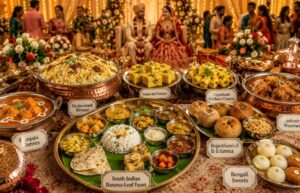
Food
Popular Temple Foods in India and Their Cultural Significance

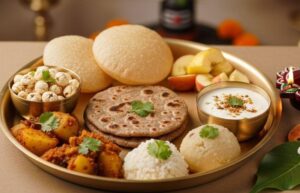
The role of temples in Indian cuisine India’s holy places do more than just preserve spiritual life; they’re also repository to Indian cuisine and flavors. Temples countrywide serve divine foods to god, and then hand them to followers to bless:
Prasad-food that can be holy as a divine offering and later handed to believers as a divine bless. These temple foods have profound cultural & religious meaning-representing thankfulness, devotion, piety & communion. The most recipes use methods passed down from generation to generation. The offerings-that may range in taste from a simple satvik (pure and non-spicy foods), to mouth-watering sweet confections-vary from area to area in India, considering nearby fixings, spiritual routines & way of life. Several of these foods are a lot of iconic and tied to a distinct temple, creating temple foods an inherent portion of Indian cuisine.
The Spiritual Importance of Temple Food
In Hindu traditions the food cooked and offered to the gods is referred to as “Prasadham” meaning sacred grace or holiness. The process to prepare food for temples is also a strict ritual involving strict principles of purity, neatness, and devotion. For several Hindu communities, onion and garlic are excluded from temple food preparation as it is referred to as “tamasic”. Fresh grains, fresh vegetables, pulses, milk, jaggery, spices, etc. Are commonly used in temple kitchens. The meal represents; “Love to the gods and goddesses, coming together, eating, Equality of all irrespective of the status in life, to devotees.” It is said that eating the Prasadham will bring blessings and solace.
Here are 10 sacred temple food dishes from all across India:
Tirupati Laddu: India’s Most Famous Temple Prasadam
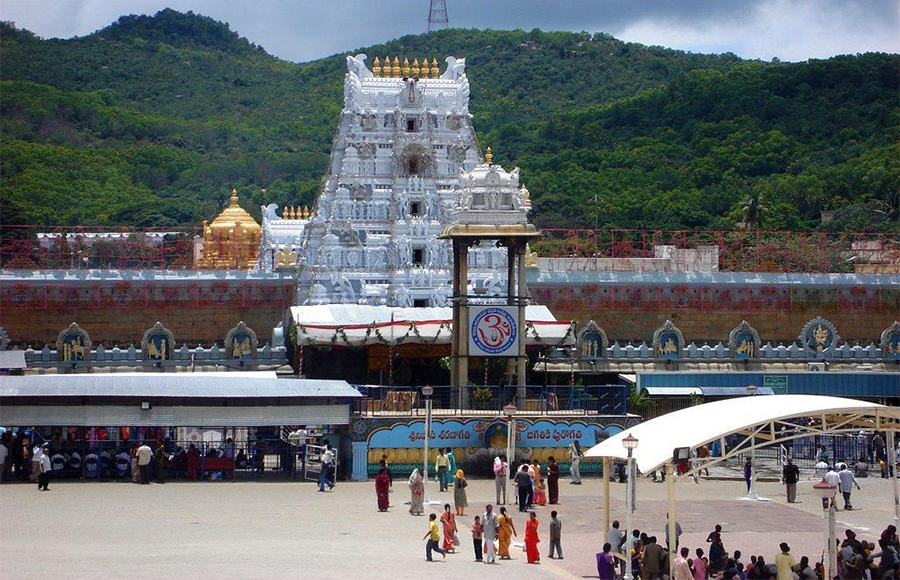
Tirupati Laddu (South India) This Indian food item is among one of the famous foods offered in the temple. The sweet laddoos are offered to the devotees visiting the famous Tirumala Venkateswara Temple, a place of worship which ranks second only after Vatican. They contain flour from gram (chana), sugar, and also few other dry fruits and Cardamom, which give them the distinctive flavour. It is considered to be holy and very sacred by millions of Lord Venkateswara disciples. Tirupati Laddoos are prepared in a very ancient method by the kitchen of the temple.
Mahaprasad of Jagannath Temple
The mega kitchen of the Jagannath Temple of Puri, one of the world’s largest kitchens, serves a huge variety of divine and excellent dishes as Mahaprasad that includes rice, a variety of dal, vegetables, sweet dishes, khichdi and more. Cooked over the wood fire in earthen pots, it comprises Rice, a range of vegetables, and many a sweet dishes prepared at several times in a year especially for events such as Rath Yatra, which embodies a strong sense of community and equality where people regardless of caste or creed can eat Mahaprasad together.
Panchamrit: A Sacred Offering
This is possibly the quintessential temple food, which in literal translation means ‘five nectars’. Generally, this is made from milk, curd, honey, ghee, and sugar but sometimes includes tulsi leaves and mashed bananas. It represents purity and is offered as a divine blessing to the devotee.
Modak: Lord Ganesha’s Favorite Sweet
Traditionally made in honour of the Elephant God Lord Ganesha, these sweet, steamed rice dumplings (can also be made using wheat flour) with a stuffing of sweet coconut and jaggery, that can be enjoyed steamed or deep-fried are the most popular dish during the festival. They are considered highly auspicious when seeking the Lord’s blessings and wisdom.
Pal Payasam of Kerala Temples
Being home to some delicious sweets, the Pal Payasam from Kerala temples is one such holy dish which can be found at every other temple. The sweet pudding made from milk, rice (or vermicelli), sugar (or jaggery), and cardamom is offered with devotion, and the version available at temples like the Ambalappuzha Sree Krishna Temple is considered the sweetest of them all.
Pongal: Sacred Food of Tamil Temples
Mostly a rice preparation available in both sweet and savoury varieties in the temples of Tamil Nadu, this dish (Sakkarai Pongal for the sweet version) made from rice, jaggery, ghee, cashews and cardamom is offered to the deities to celebrate important events and harvest festivals, especially in Chennai’s temples.
Kheer: A Sacred Sweet Across India
One of the simplest, purest and most universally made sweet dish available at almost all Indian temples as prasadam, Kheer is a type of pudding made using milk, rice (or vermicelli), sugar, and cardamom. Depending on the region and temple, you can find many variations such as Sabudana Kheer, Vermicelli Kheer, or dry fruit kheer.
Chhappan Bhog: The Grand Divine Feast
Meaning ‘56 offerings’, Chhappan Bhog is a grand divine meal prepared with an array of sweets, savories, fruits, cereals, dairy, etc. That are offered to the deities. Most famous in temples dedicated to Lord Krishna like the Banke Bihari Temple, it is indeed a feast for the divine.
Langar: Food as Service
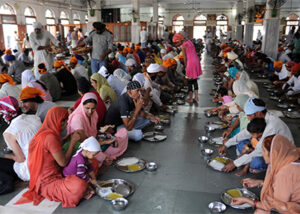
While not exactly a prasadam, the Langar of Sikh Gurdwaras embodies divinity in the form of selfless service (Seva). Free meals are provided daily to anyone and everyone at institutions such as the Golden Temple, serving a spirit of equality and selfless community service with a vast variety of dishes.
Various Vegetable Curries and Dal Dishes
Apart from sweets, many temples serve simple and healthy sattvic vegetarian curries and dal dishes as prasadams. Usually without the use of onion and garlic (to maintain a higher level of pure energy, or to avoid ’tamasic’ qualities that could bring dullness or inertness), these made-to order dishes made from fresh ingredients are considered pure and uplifting.
Why Temple Food Matters Today:
These dishes are an amazing reminder of the rich traditions and culture of India that could possibly get lost in the race of modern fast-paced life. The simple mention of having a prasadam brings a feeling of divinity, purity, gratitude and spirituality. You can feel a part of India’s immense culture, spirituality and pure community through the divine culinary experience of temple food.
Conclusion
Temple foods in India are more than their spicy and sweet cuisines. They represent divine worship, love and culture. Whether it is Tirupati Laddu, Jagannath Mahaprasad, the divine modak, pongal, langar, or many others – every Indian food of God symbolizes spirituality. These cuisines also exhibit Indian unity in diversity with one objective – to offer spiritual and physical energy to whoever seeks a bite of God.
Tags
Related Posts


Real Estate
The Next Phase of Rental Housing in India: How Institutional Landlords Could Change Urban Living by 2027
The market for rental housing in India is evolving and entering a…

Health
The Importance of Healthy Posture for Preventing Everyday Back and Neck Pain
Back and neck pain are common afflictions in today’s world. Sitting at…

Finance
How India’s Corporate Investment Revival Could Create New Opportunities for Investors
India is about to hit an important milestone; private companies are starting…