Real Estate
How Adaptive Reuse of Old Buildings Creates New Real Estate Opportunities
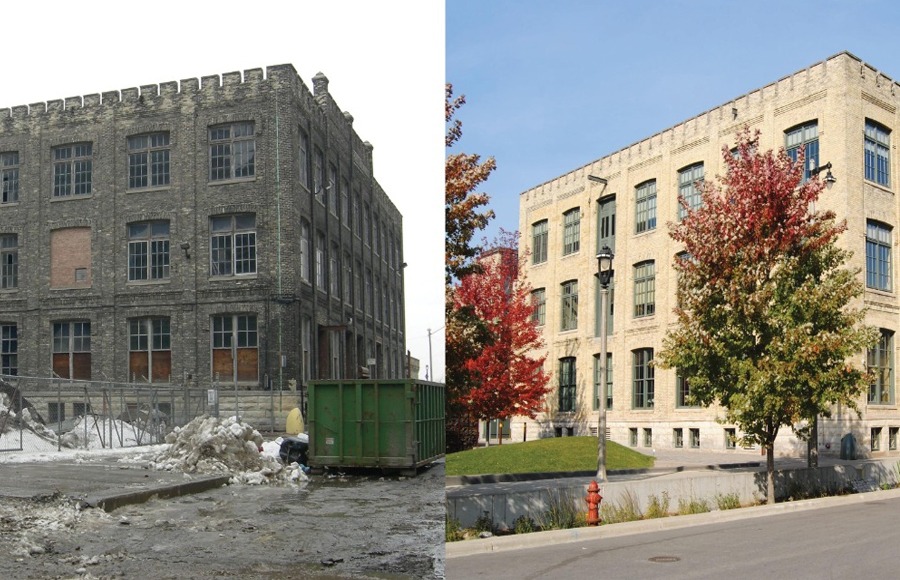

The property market is developing continuously. This progress is fuelled by factors associated with socioeconomics and environmental standards and changes. This method of developing in property is often referred to as reuse an innovative method for the redevelopment of unused and old buildings into use.
Adaptive reuse, a trend in property, is an ideal choice to consider when it comes to growing your business.
Adaptive use is the strategy in which an old building will be used for different purposes, rather than for which it has been built or used previously. Old factory, mill, ware houses, school and office structures are re utilized as rental or resale apartments, resorts, retail facilities, co working spots or mixed utilized facilities and resorts. Instead of new design, these modern developments utilize previous structures to offer brand new task. In cities where land is scarce as well as environmental safety issue, reuse is an essential approach in the building industry.
What Is Adaptive Reuse?
Adaptive reuse refers to modifying an existing building so it can serve a purpose different from its original design.
Examples include:
- Converting factories into loft apartments
- Transforming warehouses into office spaces
- Turning old schools into residential complexes
- Repurposing heritage buildings into hotels or museums
It is a viable preservation system, still relevant to the current markets.
The method merges Architecture, engineering, sustainability, and urban planning.
Lower Development Costs in Some Cases
One major advantage of adaptive reuse is potential cost savings.
Developers may save money on:
- Land acquisition
- Structural foundation work
- Construction materials
- Demolition costs
In locations where land costs have shot sky high, it often is a more financially sensible choice to repurpose existing property than erect a new.
Nonetheless, the exact cost savings rely on how structurally sound the building is and how intricate the reconstruction process will be.
Thoroughly scrutinize costs of renovation and construction.
Faster Project Completion
Adaptive reuse projects can sometimes be completed faster than entirely new developments.
Since major structural elements already exist, developers may reduce time spent on:
- Site preparation
- Foundation work
- Basic structural construction
By allowing for the accelerated project completion time, this method yields an improved return on investment for the invested capital sooner than most. In a business world of competing entities and limited capital, accelerating cash flow often translates into a distinct marketing advantage.
Sustainability and Environmental Benefits
Adaptive reuse supports sustainable real estate development by reducing construction waste and conserving resources.
Demolishing buildings creates large amounts of waste and requires significant energy for rebuilding.
Reusing structures helps reduce:
- Construction waste
- Carbon emissions
- Raw material consumption
- Environmental impact
That explains why adaptive reuse is such appealing to the climate conscience development during this age.
In addition, more and more green building methods apply with renovation projects,
Preservation of Historical and Cultural Value
Older buildings often carry historical, architectural, or cultural significance.
Adaptive reuse helps preserve this heritage while giving buildings new economic value.
Examples include:
- Colonial era buildings
- Industrial warehouses
- Historic theaters
- Heritage mansions
Preservation can enhance the distinct culture and sense of place of your neighbourhood.
Preservation, related initiatives are common for communities as they help generate additional tourism and business.
In fact, most residents seem to be supportive of heritage conservation initiatives.
New Revenue Opportunities for Investors
Adaptive reuse creates multiple revenue opportunities.
Repurposed buildings can generate income through:
- Residential sales
- Rental income
- Commercial leasing
- Hospitality operations
This would draw a Premium Buyer or Tenant wanting to create and be part of something “special”. For Developers, Investors Creative redevelopment offers significant opportunities to unlock dormant potential in otherwise struggling asset types. An Increase in the effective utility and productivity.
Growing Demand for Unique Spaces
Modern consumers increasingly value unique and character rich spaces.
Adaptive reuse projects often feature:
- Exposed brick walls
- High ceilings
- Industrial design
- Historic architectural details
These features appeal to buyers and tenants seeking something beyond conventional buildings.
This demand is especially strong in:
- Urban residential markets
- Boutique hotels
- Creative office spaces
- Lifestyle retail environments
Distinctive spaces often command premium pricing.
Urban Revitalization and Neighbourhood Growth
Adaptive reuse can help revive neglected neighborhoods.
When old buildings are transformed into active spaces, surrounding areas often benefit from increased economic activity.
Potential impacts include:
- New businesses
- Job creation
- Better foot traffic
- Improved local infrastructure
Additional investment can flow into such redeveloped areas.
When neighborhoods are renewed, property values are likely to be higher.
Development projects of these types are usually promoted by cities.
Opportunities in Mixed Use Development
Adaptive reuse works particularly well for mixed use developments.
A single repurposed building may include:
- Retail stores
- Offices
- Apartments
- Restaurants
Mixed Use for Land and Life By developing mixed use projects, landowners make the most of available space to produce an urban habitat that encourages and caters to people living in today’s demanding world people who prioritize walkability and convenience. Developers find that more often than not, the trend toward satisfying lifestyle aspirations calls for creative approaches like adaptive reuse to gain traction. The result is a broader market to which investors can readily lend themselves.
Challenges of Adaptive Reuse
Despite its advantages, adaptive reuse also presents challenges.
Common obstacles include:
- Structural limitations
- Hidden repair costs
- Zoning restrictions
- Regulatory approvals
- Safety compliance upgrades
Older houses may need a significant upgrade to meet today’s codes. Unexpected discoveries discovered in the during process may increase costs. Du diligence is paramount
Importance of Market Research
Successful adaptive reuse depends heavily on market demand.
Developers must evaluate:
- Local demographics
- Consumer preferences
- Rental demand
- Business activity
Not all old buildings fit new uses perfectly. Finding a market for all proposed new uses can lead to project success. Solid research decreases investment risk
Government Support and Incentives
Many governments encourage adaptive reuse through incentives and policy support.
These may include:
- Tax benefits
- Heritage grants
- Zoning flexibility
- Redevelopment subsidies
Supportive policy options make your redevelopment viable. Public private partnership helps a project become reality quickly. Investors will participate in reuse projects given these incentives.
Future of Adaptive Reuse in Real Estate
Adaptive reuse is expected to play a larger role in future real estate development.
Key drivers include:
- Urban land scarcity
- Sustainability goals
- Rising construction costs
- Demand for unique spaces
Future trends may include:
- Smart retrofitting
- Green building integration
- AI,driven building optimization
Competencies for competitive advantage Developers choosing this approach stand to gain solid leverage.
Conclusion
The future of real estate is in the past! What was previously waste and in dire need of demolition is turning into treasure. Adaptive reuse projects in the modern world give developers a number of benefits: reducing construction waste and environmental impact; preserving historical sites; saving money due to reuse of existing materials; and generating new revenue. As more developers and investors seek ways to build sustainable cities and to make an even bigger profit than otherwise possible, the number of adaptive re, use projects will continue to expand, making it one of the most beneficial investment types in the real estate industry.
Tags
Related Posts



Finance
What Is a Credit Score Really Made Of? Understanding the Factors That Affect Your CIBIL Score
What affects your CIBIL Score, and how can you improve it? CIBIL…

Business
The Rise of Micro-Entrepreneurship in India: How Small Creators Are Building Real Businesses
A creator with a phone, a niche audience and a good idea…
Real Estate
The Next Phase of Rental Housing in India: How Institutional Landlords Could Change Urban Living by 2027
The market for rental housing in India is evolving and entering a…