Food
How Latin American Cuisine Combines Flavor and Culture
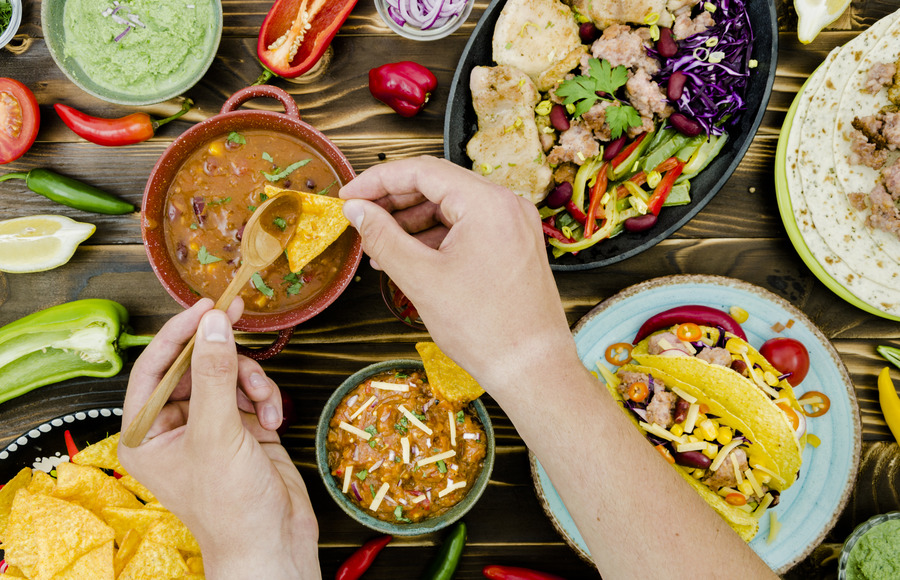

Food in Latin America is known throughout the world as being flavorful and delicious and very diverse. From the most southern country in South America, Brazil to Mexico in North America, all countries such as, Argentina, Peru, Colombia all hold incredibly diverse flavors, ingredients and cooking styles that tell a great story of Latin America’s deep and inseparable history with food. It represents more than nourishment; food in Latin America signifies family, tradition, community and culture. The history of Latin American cooking combines ancient indigenous cultures of the Americas, with that of European culture in addition to African, and influences from many other countries in the world, to bring the people, a very tasty, symbolic dish.
The Influence of Indigenous Traditions
Indigenous culture can be found throughout Latin American cooking; it has led to the continued use of certain foods and of old traditional methods. Ingredients such as; potatoes, tomatoes, corn, beans, chillies, cassava, cacao and quinoa are native to the Americas and have maintained their fundamental role in the diets of many Latin American countries and form a part of many traditional Latin American dishes.
Corn has certainly proven to be a central and integral ingredient to Mexico as a whole as it is found in tacos, tortillas and tamales. Its usage dates back thousands of years and is due to its indigenous origins. In Peru for instance, potatoes have become the primary source of food with hundreds of types used in dishes that reflect its indigenous roots, with traditional cooking methods still being employed in Peru today, such as stone grinding, roasting over coals and steaming, techniques that were passed down through generations of indigenous cooks. Thus it can be argued that cooking in Latin America reflects their desire to preserve their cultures and history.
European Influence on Latin American Food
European culture provided addition ingredients such as potatoes, rice, wheat, garlic, onions, cattle and dairy products. Existing indigenous food mixed with European food, leading to new fusion dishes and cuisines. Empanadas are a well-known Spanish pastry filled with various ingredients. Now they can be found in many Latin American countries and are also popular with diverse and native fillings and flavors. Italian cuisine is also very important to Argentinian culture. Pasta and pizza have proven to be incredibly popular. Foreign techniques used by Europeans such as baking and the usage of sauces were introduced into the existing Latin American dishes, as well as cooking meat for longer periods of time to enrich the flavor and tenderness of the meal.
African Contributions to Flavor and Technique
The African culture also had a role to play in the cooking of Latin America, particularly countries such as Brazil, Colombia and the islands of the Caribbean. Brought over to the Americas by slaves, ingredients and cooking techniques such as spices, okra, coconut milk, plantains were utilized by the Africans. It’s dishes include those that require the use of meat along with traditional and native ingredients, feijoada from Brazil is a very good example of this, afro-latin cuisine has proven to contain deep flavor profiles, such as the use of many deep fried foods, coconut milk and okra. All this mixing of culture is clear when seeing people during carnivals or celebrations enjoying food, music and dance altogether.
Regional Diversity Across Latin America
The diversity of food across the regions in Latin America is the one aspect I love the most. Mexico possesses some incredible, brightly colored, spicy and flavorful food, with its delicious street food available everywhere, while Peru is very well known for its incredibly delicious and fresh fish cooked in ceviche, while they also create innovative fusion dishes, which are often seen as having both an ancient and modern touch. Brazil is known for its excellent steaks and variety of exotic, delicious fruits. Argentina uses meat and in the form of asado, a barbecue event that represents more than just eating food, but that represents Argentinian culture as a whole. The food of the Caribbean relies on fresh seafood with an abundance of rice and beans and a rich abundance of spices, with the Andean countries utilizing hearty, robust dishes, that reflect their colder climate as it’s cool and high up in the altitudes with its own regional variety of dishes to be expected. Their dishes often use potatoes as the primary base ingredient and soup form.
Food as a Social and Cultural Experience
This cuisine is more than a part of the people’s culture, it is a direct line of social and cultural exchange, the opportunity to unite together as a family, and to celebrate religion, and holidays, allowing for their heritage to be passed down. Food in Latin America represents tradition and heritage and it’s something I truly appreciate. This food has now become very popular around the world, ranging from tacos, and burritos to empanadas and Argentinian asado, which is not just a food but a culturally significant event in Argentina.
The cuisine itself has rapidly grown in popularity due to the fact that it tastes fantastic; the world is increasingly developing an interest and appreciation for Latin American culture, opening up a world of possibilities for culinary tourism across countries of the Americas. Its growth in popularity stems from food bloggers and social media networking sites.
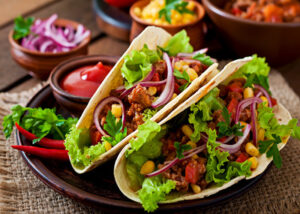
The significance of flavor and freshness
The taste and flavor of Latin American cuisine are rich and balanced. The use of herbs, spices, citrus and fresh produce allows it to produce delectable and unique dishes. Typical seasonings include the use of chili peppers, cilantro, oregano, cumin, lime and garlic. Many meals incorporate the tastes of spicy, sweet, sour and savory simultaneously. This includes usage of fresh produce, grills, seafood, beans and homemade sauces in meals. Many cooking processes involve the utilization of grilling, marinating, roasting, and slow cooking to amplify the flavors. Food is bright in color and texture, mimicking the celebratory essence of Latin American culture.
The Global Popularity of Latin American Food
In recent years Latin American food has achieved a great international fame. Tacos, burritos, ceviches, empanadas and Brazilian barbecue are widely available in restaurants across many countries and more chefs have been influenced by ingredients and ways of preparation originating in Latin America. Beyond these considerations the worldwide enthusiasm for the Latin American diet has also contributed to a greater recognition of its culture. Traveling to the Central and South America in the quest of an “authentic” meal has grown in popularity. Blogs and social networks have been successful in spreading the recipes and the contemporary visions of the Latin American recipes all over the world.
Conclusion
All in all, cooking in Latin America is all about tradition, a combination of flavors, culture and history, and a fusion between indigenous, African and European cultures, giving people what many consider the best cooking in the world, it is something the people in Latin America find as an enjoyable pastime, representing not just who they are, but their heritage and past, serving more than just a meal, but an incredible amount of history and passion to others.
Tags
Related Posts



Business
The Subscription Economy: Why We’re Paying Monthly for Everything
Remember when buying something meant paying for it once and using it…

Real Estate
What Is a Pre-Launch Property? Things Buyers Should Know Before Investing
Imagine finding a property at a price lower than what the developer…

Health
Why Walking Is Having a Comeback: The Health Benefits of Getting More Steps In
You don’t need an expensive gym membership, a complicated workout routine, or…