Real Estate
How Changing Lifestyle Trends Are Shaping Future Housing Designs
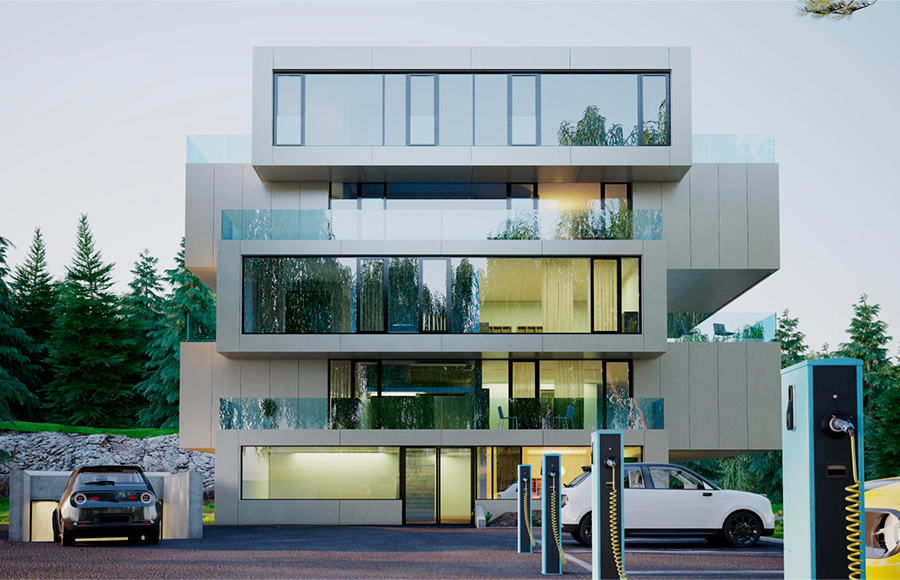

Our approach to where and how we live is certainly shifting, it seems. We aren’t just looking for somewhere to sleep anymore; we’re hoping for homes that perfectly suit the way we live, whether it’s working remotely, achieving well-being or staying close to nature.
Here are the main lifestyle shifts reshaping future homes:
More space for multitasking
The biggest lifestyle shift to impact home design is likely the desire for adaptable living areas. In modern homes, we require space not just for:
- Living
- Working
- Learning
- Fitness
- Entertaining
The rise of working-from-home and remote study means flexible spaces have been prioritized and developers are now fitting homes with:
Home offices
- Adaptable rooms
- Flexible floor plans
- Furniture solutions
- These will help owners get the most out of their homes as well as adapt them to their changing needs in real-time.
The work-from-home office is here to stay
Working-from-home has permanently impacted the desirability of homes. The home office is no longer considered a luxury, but a must-have and the homes we are buying must have:
- Quiet, dedicated workspaces for concentration
- Studies
- Soundproofing to ensure no distraction
- High-speed internet connections
Developers are meeting this need by integrating separate home offices into homes, or by offering multi-functional rooms, which can be readily converted to an office. More future homes will focus on increasing productivity.
Wellness is at the top of the list
Our well-being and health are now incredibly important. Health-conscious homes will need to support the way we wish to live through:
- Natural light and adequate ventilation
- Indoor and outdoor green spaces
- An on-site gym or access to walking trails/meditation areas
Health-conscious, comfortable, and relaxing homes will become increasingly desirable. Some developers will create full wellness-oriented communities where this will become a focal point.
Smart homes are here to stay
Technology is revolutionizing home design. Smart homes are making a name for themselves thanks to the convenience, security and energy-saving advantages buyers are snapping up. The home of today can feature:
- Automated lights
- Smart thermostats
- Voice-controlled appliances and systems
- Remote security surveillance and smart door locks
- Energy management systems
- More advanced technology is also being integrated into the homes of tomorrow which will see them become smarter and more integrated with our daily lives. Smart home technology can now be seen in homes at all levels of the market.
Sustainability is becoming crucial
Our awareness of our impact on the environment is having a large impact on the homes we are building. Homes that limit their carbon footprint and reduce utility bills are desirable and demand for eco-friendly properties has increase significantly. Eco-friendly homes need:
- Solar panels for energy production
- Water conservation systems, such as rainwater harvesting
- Energy-efficient appliances
- Eco-friendly building materials
- Waste reduction solutions
The green building concept is already becoming the norm for developers, governments and home owners, and this is set to only become more prevalent in future homes.
The value of outdoor spaces is increasing
With more time spent at home, our gardens and outdoor spaces are becoming increasingly more important. Demand is growing for homes that feature more space for outdoor living, such as:
- Balconies
- Terraces
- Gardens
- Patios
These can provide valuable additional areas for relaxation, recreation, and interaction with nature. If space is tight, a well-designed balcony can be a great asset, especially in densely populated city locations. There is no doubt more effort is being put into merging outdoor and indoor spaces.
Community-focused living is on the rise
Modern buyers are also seeking more connection and interaction with their communities, with residential projects increasingly being designed to cultivate these stronger neighborhood relationships. This can be seen in communal spaces such as:
Club houses
- Co-working spaces
- Shared community gardens
- Communal recreation spaces
- Social spaces for events
The aim is to encourage more community living and interaction to the benefit of all occupants, increasing overall happiness and home desirability.
Smaller families and space-efficient designs
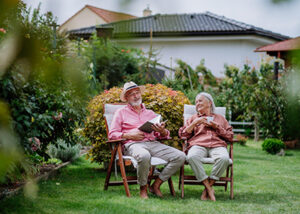
Changes in family structure also play a role. More singletons, elderly households and smaller families means homes are becoming more compact but remain highly efficient and feature innovative, space-saving solutions and a good range of storage space. There’s no need to over-size our homes, comfort and good design mean the most we can get from a smaller space.
Homes suitable for the elderly are in high demand
With longer life expectancies it is essential to create a living space that allows elderly people to remain independent for as long as possible, with features such as:
- Homes that are easily accessible with step-free access
- Wide doorways
- Easy access bathrooms
- Scope for potential installation of an elevator in future
- Safety measures that will reduce the risk of falling
These features, along with Universal Design, mean that the home can still serve those occupants at every stage of their lives and are a very important consideration for the future.
The rise of mixed-use developments
Our need for convenient living and minimal commutes has seen a huge surge in the popularity of mixed-use developments where residential, commercial and leisure facilities are integrated into one large community allowing occupants easy access to shops, cafes, businesses and entertainment centers, reducing reliance on travel and the necessity to leave the local environment.
Technology and data to shape homes
Developers are using new techniques to obtain a clear view of buyer’s needs. Analyzing trends in purchasing, spatial preferences and communal requirements allow the development of new homes that truly cater to peoples’ lifestyle needs. These data-driven homes of the future will provide greater levels of comfort, convenience and sustainability.
Conclusion
The changing trends in lifestyle mean that housing designs are also evolving and people aren’t just looking for houses, but homes that adapt to their individual needs and allow for varied use, comfort, wellness and sustainability, and in a way that creates community connection. As people’s lives, jobs and relationships continue to change, developers will adapt accordingly, with homes that maximize their liveability, comfort and overall sense of well-being and design that will lead into the future.
Tags
Related Posts




Health
The Importance of Healthy Posture for Preventing Everyday Back and Neck Pain
Back and neck pain are common afflictions in today’s world. Sitting at…

Finance
How India’s Corporate Investment Revival Could Create New Opportunities for Investors
India is about to hit an important milestone; private companies are starting…

Business
The Next Industrial Opportunity in India: Building Businesses Around Semiconductors, Space, Electronics and Solar
India’s industrial economy is entering a new phase. While traditional manufacturing remains…