Food
Exploring the Rich Flavors of Moroccan Cuisine and Its Signature Spices
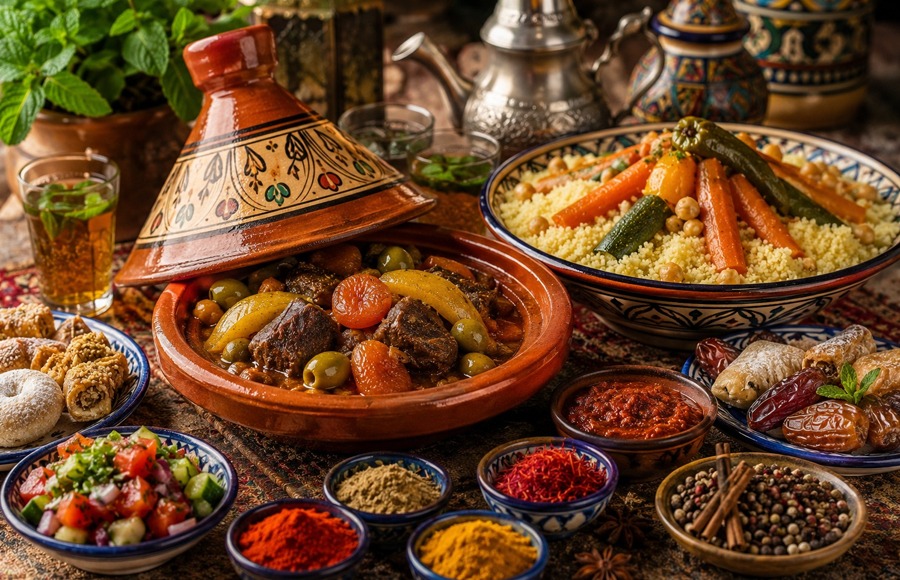

Moroccan food stands out as one of the most unique and delicious cuisines in North Africa. Famous for fragrant spices, slow cooked stews, fragrant herbs, preserved ingredients, and eye catching colours, the nation’s food represents centuries of cultural trading with Arab, Berber, Andalusian, Mediterranean and African cultures to make the cuisine what it is today.
From tagines steaming with vegetables, to delicious fluffy couscous, light refreshing salads and sweet tempting pastries, the food represents the perfect combination of savory, sweet, spicy and earthy tastes. Cantered on particular spices, it is the spices in the dish which give it its individual fragrance.
The Cultural Heritage of Moroccan Cuisine
Family, welcome and tradition all are intrinsic to Moroccan cookery. We sit down together around a family table to share food that rests in the centre of all to help themselves to. Food is essential when welcoming guests to your home and meals that are a traditional family affair may be a course number. We eat a huge quantity of vegetables in this cuisine that also utilizes everything we eat locally such as lemon, olives, dates, almonds, chickpeas, chicken, lamb and also our couscous and grains. Morocco can get quite interesting in it’s combination of flavors we have sweet dried fruit combined with savoury meat or we have vegetables made from a delicate fragrant aroma combined.
Ras el Hanout: The Signature Moroccan Spice Blend
The best known of all Moroccan culinary blends is called, Ras el Hanout. It translates literally to top of the shop in that a merchants’ ultimate range of spices are being utilized. Ingredients in this mix can be myriad in assortment, commonly including coriander, cinnamon, cumin, ginger, turmeric, and more like nutmeg, pepper, and of course cl… in addition to cardamom, cloves, and others!
All these combine together to add the wonderful flavors characteristic of tagine stews, couscous, rice preparations and mear dishes.
It serves a purpose as the blend does not overpower flavour of the dish but rather accent the spices used as layers of fragrance-earthiness, floral notes and subtle sweetness.
Cumin: An Essential Moroccan Spice
The basic spice in Moroccan cooking is cumin. The warm, earthly, somewhat bitter taste of this spice is perfectly matched for vegetables, meat, legumes, and even in stews and soups. It is part of famous dishes such as the lentil soup and the Moroccan vegetable recipes. Cumin is frequently used along with salt to top off any cooked food. It has a bold aroma so just a pinch suffices to transform the flavour of a dish.
Saffron: A Touch of Luxury
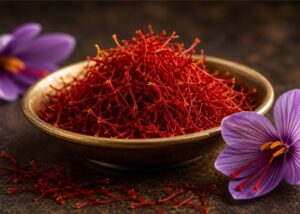
Saffron is used in Moroccan cuisine for its exquisite scent, mellow flavor and golden hues. As saffron is one of the most expensive spices, it is typically used in moderation and to decorate special occasion dishes, or for inclusion in fine rice dishes or chicken meals. The soft, fragrant taste of saffron has a floral quality which gently blends with the pungent heat of other spices without becoming too overpowering.
Cinnamon: The Sweet and Savory Connection
The cinnamon stands out in Moroccan cuisine as it’s a spice that goes well in sweet as well as savoury meals. This has the effect of enhancing flavours and spices like ginger. As well as going well with ingredients such as meat, and with dried fruit and nuts the Morocco cinnamon dish is the well-known fowl dish cooked with onions, almonds, cinnamon, and sugar and is often accompanied by drinks and dessert for what is such fluid food of sweet and savour.
Ginger and Turmeric
Common Combinations Ginger and turmeric are a popular pairing for a warming touch, earthiness, and of course the yellow. Turmeric for its rich golden hue and warming earth, it is a delicious duo, common in tagines, soups, poultry, and vegetables where it provides the warming foundation of flavour to a multitude of recipes.
Tagine: The Heart of Moroccan Cooking
When we refer to a tagine we mean either the cooking pot it is cooked in or the name for the food itself. The tagine pot is a deep, round oven dish with a high conical shaped lid. The shape allows condensation which has accumulated on the inner sides of the lid, to fall back on to the food.
This maintains flavour.
Tagine dishes are cooked slowly by which means the ingredients become succulent while the spices build up flavour. Common ingredients include lamb, beef, fish, chicken or vegetable tagines; chicken with conserved lemon and olives being a favourite as is lamb with prunes and almonds.
Couscous: A Moroccan Staple
Couscous is one of Morocco’s most famous dishes. Traditionally made from semolina which is steamed to a fluffy texture and served with vegetables, chickpeas, and meat or a stock, bouillon. Friday traditionally takes centre stage of Couscous in many Moroccan families, when family members may all eat together. This is a dish that perfectly illustrates the balance required in cooking within Morocco; mild grains with a base to complement the strongly flavoured vegetables, meat and broth.
Preserved Lemons and Olives
Preserved Lemons Preserved lemons are one unique flavour in Moroccan food that adds that tangy salty touch. Preserved lemon is found all over chicken tagines to give chicken and their spices a bite and a citrus accent that cuts through the richness of the meat.
Olives are yet another main part of Moroccan food. Green and purple colored olives make their way in tagines, salads, appetizers, dips and a number of side dishes. Combined with preserved lemon these give the dish savory, fruity, sour and salty over tones that are simply Moroccan.
Harira: A Comforting Moroccan Soup
Harira is a traditional dish; it is a type of soup. It typically contains tomatoes, lentils, chickpeas, herbs and spices. It is also made with meat sometimes.
The taste is thick and satisfying and it is popular especially when fasting is broken at the end of the day.
Fresh coriander, parsley, fresh ginger, spices and so on are what give Harira its characteristic smell. Often dates, bread, or other national food items accompany it.
Moroccan Mint Tea
One of the first things you’ll notice upon touching down in Morocco is the unmistakable scent of mint tea. There really isn’t a meal or gathering in Morocco that doesn’t somehow involve this traditionally brewed tea, prepared from green tea, fresh mint leaves and sugar. It is regarded not just as a drink but also an important aspect of hospitality and communication.
Tea is typically brewed with and then from a height into small glasses producing a thin layer of froth. Guests are considered more than welcome to share and an offer of mint tea is usually declined with great difficulty to avoid any offense. Its cool, refreshing flavor comes as a most welcome treat when combined with the powerful Moroccan spices
Moroccan Sweets and Pastries
Nuts, honey, dates, orange flower water and spices all play a major part in many Moroccan desserts. Chebakia for instance, which is dough fried then coated in honey and sesame seeds. Nuts and dates are used to make many other kinds of Moroccan sweets, along with orange flower water; their sweet scent is a good example of the same meticulous attention paid to both the smell and texture as can be found in savory cooking.
Conclusion
Morocco cuisine is an experience full of aroma, taste, color and cultural. With unique Moroccan spices such as ras el hanout, cumin, saffron, ginger, turmeric and cinnamon these spices convert a normal food into flavoursome one. From Moroccan tagine to fluffy couscous, harira hearty soup, Moroccan recipes consist of preserved lemons and delicious sweets.
The remarkable is that Morocco food is in its wonderful taste where it can bring the best of two opposite tastes together as sweet savory as well as mild spicy.
So the food journey in Moroccan experience not only offers a unique dish to taste. Instead it will be like a trip on food cuisine rich with history, welcoming, and culture.
Tags
Related Posts



Business
The Rise of Micro-Entrepreneurship in India: How Small Creators Are Building Real Businesses
A creator with a phone, a niche audience and a good idea…

Real Estate
The Next Phase of Rental Housing in India: How Institutional Landlords Could Change Urban Living by 2027
The market for rental housing in India is evolving and entering a…

Health
The Importance of Healthy Posture for Preventing Everyday Back and Neck Pain
Back and neck pain are common afflictions in today’s world. Sitting at…


