Food
Exploring the Unique Flavors of Filipino Cuisine and Street Food
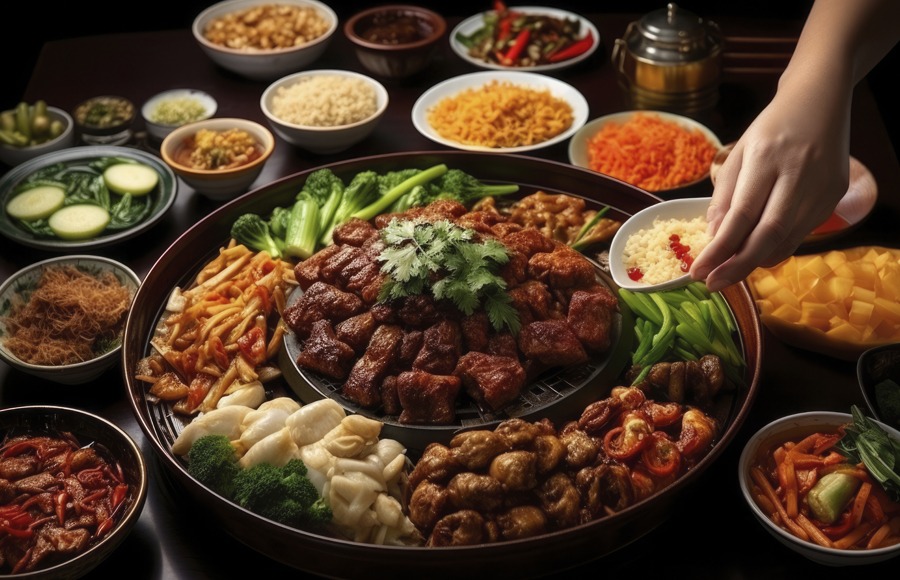

Consisting of over 7,000 islands, Philippines has rightfully deserved the honor of an archipelago known to be blessed with pristine beaches, accommodating and amiable culture as well as a dynamic and lively lifestyle of festivities and celebrations. Aside from all these natural marvels, it may boast for having culinary dishes, traditions that were passed down through generations with its many cultural influences but blended with their own unique zest and savor. The Filipino cuisine is long recognized to have combined the indigenous tastes along with the practices adopted through the Spaniards, Chinese, Americans and the ethnic dishes of the neighboring South East Asian regions, giving rise to various plates that not only will leave your stomach with satisfying fullness but as well fill the taste buds with its excitement. Ranging from simply cooked meals and tantalizing street food delights, Filipino dishes come in many varied shapes and forms.
The Cultural Influences behind Filipino Cuisine
The history of Filipino food is shaped by years of trade, migration and invasion. Through these elements different cultures have influenced local food traditions with their ingredients and food preparation.
- Major Influences on Filipino Food
- Filipino style of cooking
- Spanish influences on food
- Chinese ingredients and dishes
- American influences on food
- Malay and SE Asian influences
These are the origins of all Philippine cuisine.
Key Characteristics of Filipino Cuisine
Filipino dishes are often made up of so many different tastes on one plate.
Common Flavor Profiles
- Sweet
- Sour
- Salty
- Savory
- Tangy
In fact, many dishes will actually be a combination of these flavors to make satisfying, rich and interesting dishes.
Adobo: The National Favorite
Often cited as the unofficial national dish of the Philippines, Adobo is a classic and easily prepared meal. It is comprised of marinated meat that has been stewed in vinegar, soy sauce, garlic, bay leaf, and black pepper.
Popular Variations
- Chicken adobo
- Pork adobo
- Seafood adobo
- Vegetable adobo
Tangy vinegar and savory spices create adobo which has long been one of the country’s favorite foods.
Sinigang: A Comforting Sour Soup
The delicious mix of sour vinegar and savory flavorings has made adobo among the favorites: FiliSinigang: A Flavorful Sour Soup.Sinigang is a classic Filipino dish loved by many for its sour taste.
Common Ingredients
- Tamarind
- Pork, beef, shrimp, or fish
- Tomatoes
- Radish
- Eggplant
- Leafy vegetables
The mouthwatering sour broth is what sinigang has to offer as a perfect comfort food, best to be served on a rainy day.
Lechon: The Star of Celebrations
Another iconic Filipino food is Lechon, a whole roasted pig, which can typically be found on celebration tables during fiestas, weddings, birthdays, and parties.
Why It Is Special
- Crispy golden skin
- Tender and juicy meat
- Rich flavor from slow roasting
Lechon is considered a centerpiece dish at many Filipino gatherings.
Pancit: A Symbol of Long Life
Pancit are a series of Chinese influenced noodle dishes, often found at parties, birthdays, and celebrations, because noodles traditionally represent a long and lucky life.
Popular Types of Pancit
- Pancit Canton
- Pancit Bihon
- Pancit Malabon
The noodles are usually stir-fried with vegetables, meat, seafood, and flavourful seasonings.
Filipino Street Food Culture
Street food is a big part of every Filipino’s life. In every corner, market or even street, the streets are filled with inexpensive and delicious foods and snacks. Filipinos also find their way to the streets just to get a taste of their country.
Street food is definitely an expression of a creative and flavourful nation.
Fish Balls
Fish balls are one of the most popular Filipino street foods.
How They Are Served
- Crisp, golden and fried
- Can be eaten with sweet, spicy or vinegar based dipping sauces
Inexpensive and easy to eat, enjoyed by many.
Kwek-Kwek
Kwek-kwek consists of boiled quail eggs coated in orange-colored batter and deep-fried until crispy.
Why People Love It
- Good, crunchy bite
- Nice sauces for dipping
- Easy to eat anywhere/on the go
Can be found all over street food stalls nationwide.
Banana Cue
Banana cue is a sweet street snack made from fried bananas coated in caramelized brown sugar.
Features
- Crispy sugary shell
- Soothing, sweet, and gooey banana filling
- Ideal afternoon treat
This basic food is a favorite for many office workers and students.
Isaw
Isaw is a popular Filipino street food which uses grilled chicken or pork intestines.
Preparation
- Thoroughly cleaned
- Marinated in seasonings
- Grilled over charcoal
The smoky flavor and savory taste make it a favorite among adventurous food lovers.
Halo-Halo: A Colorful Dessert
No exploration of Filipino cuisine would be complete without halo-halo.
Main Ingredients
- Shaved ice
- Sweetened fruits
- Beans
- Jelly
- Milk
- Ice cream
The name halo-halo itself is used for mix-mix since the ingredients were put together before eating it.
It is one of the cool desserts in summer hot days in tropical countries.
The Importance of Rice in Filipino Meals
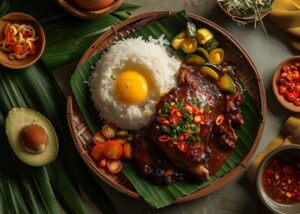
Rice is the foundation of most Filipino meals and is served alongside many dishes.
Common Pairings
- Adobo and rice
- Sinigang and rice
- Grilled meats and rice
- Fried fish and rice
Most Filipinos would tell you “It feels like I haven’t eaten if I haven’t had rice.”
Tropical Ingredients in Filipino Cooking
The Philippines benefits from a tropical climate that produces a variety of fresh ingredients.
Frequently Used Ingredients
- Coconuts
- Mangos
- Bananas
- Pineapple
- Calamansi
- Fresh Seafood
These give a fresh, sweet, lively taste to many meals.
Why Filipino Cuisine Is Gaining Global Popularity
Filipino food has become increasingly recognized worldwide due to its unique flavors and cultural richness.
Reasons for Its Growing Appeal
- Many different foods are combined
- Food is delicious and filling
- Fun, imaginative street food
- The freshest tropical produce
- Deep rooted traditions in food
More restaurants serving just Filipino food, and they are more accessible to more places.
Conclusion
In a nutshell, Filipino dishes portray the history, culture and enthusiasm for food. Filipino cuisine consists of well-known Filipino dishes like the Adobo, Sinigang, Lechon and the array of appealing street foods like Fish balls, Kwek-kwek and Banana cue. It’s all these factors in the Philippines that make its cuisine so distinctive and there’s nothing quite like it in the world.
It’s the combination of sweet, sour, salty, bitter, umami and sour flavor that each dish becomes so distinct and unforgettable. Either at home eating with the family during a significant dinner, coming across them at a market being sold by street vendors to passer by or placed in restaurant outlets in other countries, it had conquered the community of cuisine worldwide with its appealing taste and delicious characteristics and food is something no other in this world can outrule it.
Tags
Related Posts



Business
Why Indian Brands Are Bringing Back the Art of the Physical Store
For years, the growth of e-commerce suggested that shopping was moving towards…

Real Estate
Ready-to-Move vs Under-Construction Homes: Which One Makes More Sense?
Buying a home is a significant financial decision, and choosing between a…

Finance
SIP vs Lump Sum: How Do These Two Investment Approaches Differ?
Investing is not just about choosing the right mutual fund. It is…