Travel
Cultural Etiquette Tips for International Travelers
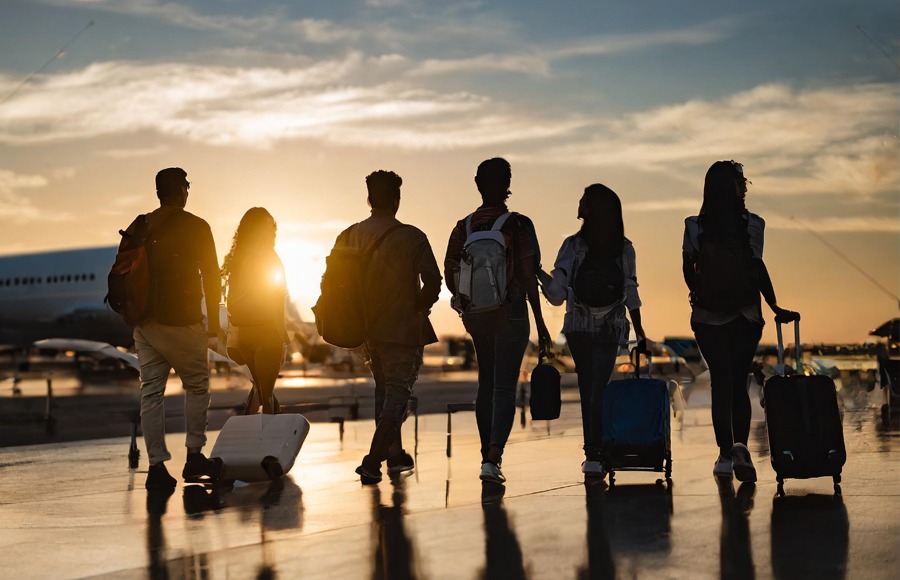

Learn to interact with other people, eat exotic food, understand their lifestyle and love their culture. But every nation across the world has its own standards, expectations, beliefs, norms and unwritten rules on etiquette that the visitor must always honour. Small endeavours made to grasp local customs would prove useful when one goes abroad and could make good impression of traveller on people he or she meets and has most pleasant trips abroad. Mutual respect for local culture, either with words and language or actions, brings a traveling experience one may not have again. This visiting respect to traditions would bring warmth on the locals that can make visitors feel comfortable traveling abroad. Below are several local culture etiquette points a visitor must recognize before he/she travels:
Learn basic local phrases
A traveller can make a simple demonstration of his/her visiting regard to citizen of the host country by speaking only few basic local language such as “Hello,” “Goodbye,” “Thank you,” “Please” and “Sorry.” The local people would love to receive the visiting respect and it would make traveling much easier when shopping at local market, eating at a restaurant run by local people and staying at a guesthouse owned by local. Phrase books and phrase apps would assist the traveller to do that.
Be sensible about local dress code
The attire will indicate the kind of impression an individual is going to make in his/her destination country. Although in most regions simple outfit seems to be most proper wear but different regions differ greatly in what they considered most proper and respect. One must be aware where he/she would be traveling and dress himself/herself appropriately to suit destination and activities to perform. Some sites or functions like a holy place demand that visitors should be dressed modestly; for instance women have to cover her legs and shoulders, depending on their destination, some sites have unique dress codes. Dress code would improve traveller’s profile in foreign countries and prevent him/her from getting embarrassed; one must ensure to pick out a dress code suitable for one’s intended destination.
Consider the convention for local greetings
A nation has a particular etiquette on how people are to be greeted and they very much differ with others due to different cultures. In one country something that appears insulting might just be the way people in another culture greet; for example most of Western countries use handshake to greet and a lot of Asians greet their visitors in such way like bowing their head in Japan and placing their hands together, prayer like posture, in India. Greeting travellers should be taken into consideration so as to make locals feel that he/she is approachable and to avoid unpleasantness. It is also of great importance to be aware of varying personal space among locals so travellers should always endeavour to notice and take it into account.
Adopt dining customs
A traveller will notice many eating traditions differ drastically from the visitor’s country. While most of Western countries are use of eating cutlery; others are use of their hands or chopsticks. There are always cultural taboos people in the visitor’s country may not know and they must adhere to some traditions like not leaving any food on his/her plate, or making an endeavour to eat up every grain of rice in the bowl while invited by host and some cultures do not encourage tips at all unlike many parts of the world. Traveller can always inquire about those customs before traveling.
Be respectful towards holy places
Visiting a temple, mosque, church or a shrine may demand that visitors treat these sites with the greatest respect possible. Visitors may have to take off their footwear and/or cover their heads; or photography may not be allowed, depending on the nature of the holy place. They are considered to be spiritual sites by believers; thus, one must be considerate.
Refrain from arguing controversial social issues
One must always resist the urge to engage in heated political and/or religious debates with locals, particularly unless requested. Opinions always differ; thus to argue over something the traveller might not be thoroughly familiar with may never garner any respect from locals and may only bring trouble to the visitor and so, he/she must be wise enough not to enter such argument or judge others’ cultural practices on the same ground as visitor would at his/her home; but to merely observe, listen and maybe ask the relevant people polite questions about certain things one does not understand.

Ask permission before taking pictures
Most of the time, when people are engrossed in the quest of obtaining their travel best pictures they are carried away and ignore the courtesy that must be shown to either locals or visitors when snapping their pictures; thus they are offended, which is why you must always ask the consent of either of the involved people, place, event or site; however when the consent is not granted by such people, you must accept it.
Obey laws and cultural norms
You are expected to obey the laws and conventions of all the countries you visit. Your destination country would certainly expect you to know them prior to visiting. One may always endeavour to make researches about the etiquette practiced by locals and adhere to them. Failure to obey laws may bring about legal troubles and unwelcome public attention to the traveller. Being conscious and respectful to others is of extreme importance when traveling abroad; walking on the sidewalk, respecting traffic lights, driving on the correct side of the road and queuing properly may earn the visitor some appreciation from local people.
Remain open-minded and patient
In most of the travel trips, it is inevitable to have a few unpleasant moments resulting from cultural and language barriers but travellers can choose to remain patient and open minded and learn from those experiences so as to make great traveling memories. They would surely realize the differences in perceptions among different people in the world which is the purpose of travel and that while traveling one must have to understand others regardless of their beliefs.
Contribute to local culture and businesses
Another meaningful aspect a traveller can undertake is to embrace the local culture and way of life. Supporting local businesses by shopping from local markets and not from internationally famous stores would help the local business to flourish and expand its operation in local territory. Eating food from traditional local restaurants rather than conventional foreign ones will also make you have a memorable dining experience that enriches the travel trip; visitors traveling to countries are encouraged to interact with their local craftspeople, art, and the way of life of their hosts.
Tags
Related Posts



Business
Why Indian Brands Are Bringing Back the Art of the Physical Store
For years, the growth of e-commerce suggested that shopping was moving towards…

Real Estate
Ready-to-Move vs Under-Construction Homes: Which One Makes More Sense?
Buying a home is a significant financial decision, and choosing between a…

Finance
SIP vs Lump Sum: How Do These Two Investment Approaches Differ?
Investing is not just about choosing the right mutual fund. It is…