Food
The Story Behind French Pastries and Their Place in French Food Culture


French pastries; not just pretty desserts airy croissants with their crispy layers, shine from the glossy glaze on éclairs, burst of colour from macarons, rich fillings of seasonal fruit tarts – is a globally recognized pastry that is defined by its subtle flavors, delicate texture, and artistic presentation. It epitomizes sophistication and baking expertise. Yet, these French favourites are far from being just pretty pastries or breakfast indulgence.
The history and practice of ptisserie are inextricably interwoven into France’s narrative, from the development of techniques to regional celebrations and traditions, even its daily life.
The history of French pastries is a narrative of cultural fusion, evolving culinary practices, and a long line of talented baker’s and pastry chefs who honed their art. Being able to enjoy a pastry from any neighbourhood bakery, boulangerie or patisserie is now an commonplace act in France and its traditions have been adopted all over the world.
How French Pastry Culture Developed
The art of French pastry has evolved for hundreds of years and various trends from different parts of Europe and the Mediterranean influenced the art and techniques of French patisserie. As readily available products such as sugar, butter, chocolate, almonds and refined flour were acquired in France their cooking application were expanded and therefore, new techniques in French pastry-making were explored and established.
A significant contribution to modern sophisticated cuisine, and particularly to pastry, originated from the French royal court. In these affluent circles professional cookery and pastry-making reached high levels as wealthy families were capable of and required a team of competent chefs with culinary skills, which led to complex sweet dishes and refinement of traditional baking processes. These complex cookery methods then spread out into French households, allowing professional patisseries to evolve from these refined techniques and develop into a sophisticated technique distinct to everyday bread making.
The Croissant and Its International Journey
Probably the world’s most famous French pastry, the crescent shape and flaky, buttery quality of the croissant makes it loved and celebrated everywhere. Surprisingly to some, today’s croissant isn’t of French origins entirely, with links extending to Central European pastry traditions. The Austrian kipper which is a crescent-shaped pastry is often referenced as an ancestor.
French bakers however have to be credited with developing the laminated dough process that gives rise to the light and flaky product associated with French patisseries today.
To bake a classic croissant requires patience; it’s yeast-leavened dough that’s repeatedly folded and rolled with butter in a laminated process. Butter layers spread throughout very thin dough layers and expand during baking from the trapped moisture to separate them – to create that incredible flaky texture. Today the croissant remains central to the classic French breakfast, often paired with a café or hot chocolate.
Éclairs and the Art of Choux Pastry
Choux pastry; Mix flour with butter, water or milk until cooked and add the eggs. Shape the dough into small logs, bake until hollow and fill the shells with pastry cream and a coating of icing or glaze. Typical fillings of chocolate and coffee may appear, but more contemporary chefs create fillings of pistachio, caramel, vanilla, raspberry and lemon etcetera. The éclair is French in spirit of its precise execution; with just the right sturdiness to keep the filling intact whilst ensuring a light touch.
Macarons: Small Pastries with a Global Reputation
The modern French macaron has gained popularity all over the world for its beautiful, colourful aesthetic as well as its sweet taste.
These small sandwich cookies, made with pureed almond flour, egg whites and sugar sandwiched together and various fillings butter crème, ganache or a fruit-based filling, seem quite simple. They are however tricky and meticulous when it comes to the measurement of ingredients, as well as the mixing of the dough, piping, resting and baking where a minute change in temperature or practice will drastically alter their texture and look.
Though earlier forms of almond-based sandwich cookies have been around Europe long before the creation of the French macaron, French ptisseriehas further developed them to be known now as the sweet, dainty and colourful delicacy of Paris.
Tarts and the Importance of Seasonal Ingredients
With their beautiful use of high-quality ingredients and understated beauty, French tarts embody their native country. Most fruit tarts, are made with light, crisp crusts with pastry cream and topped with fruit that is seasonal fresh. Popular flavors of tarts include, fruit tart, an accumulation of fruits, apple tart, lemon tart, chocolate tart and, almond tart.
In fact the most distinctive factor about all French pastries seems to be the balance between the pastry and its interior component.
A tart should taste of the natural product from which it was made and not be overpowering sweet. Seasonality plays a huge role in how some fruits become features of pastry. Throughout the year depending on when it is season people utilize fresh strawberries, blackberries, apples, pears, peaches etc.
Mille-Feuille and Layers of Craftsmanship
Also French is Mille-feuille. In English countries, it is referred to Napoleon. Layers of flaky puff pastry and cream alternative and finish with icing or sugar dust. Mille-feuille means 1000 layers; it is made through elaborately laminated dough and baking, also assembling well.
Combination of fragile pastry and cool, tender cream represents one of the important concepts of French ptisserie, which achieves texture comparison and taste union at the same time.
French Pastries and Everyday Life
However French pastries are not just for the special occasions of the big holidays. You can have French pastry as part of the food in day to day routine. A person can walk down to a neighbourhood boulangerie in the morning to grab a croissant, swing by the baker’s shop after school for a fruit tart for a family event or drop in on his way to work in the afternoon to purchase some pain au chocolate.
Accessibility is key to the pervading culture of French pastries; in a boulangerie as well as in a star French patisserie, delicious pastries can be obtained. The bakery also creates a community nexus as one can bond with the bakery staff or baker, who often recognize you and share news with their customers.
Pastries During Celebrations and Festivals
As for celebrations and events in France, pastry definitely holds a very important position.
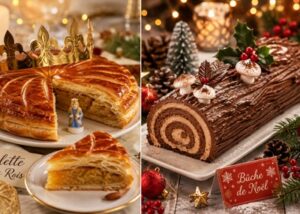
As far as festive celebrations go there is the galette des rois. Eaten at Epiphany, it is typically made up of puff pastry and filled with a rich almond cream filling. One or more ‘depending how many pieces of cake are being shared’ small figurines or a dried bean, called feve are hidden within the cake, which provides a fun element during celebrations and everyone will be searching to try and find the fve and become king or queen of the feast.
It also holds a very important place at Christmas where families are keen to tuck into the bche de No l, or the Yule log cake, that is so famous in France at Christmas time. It has been designed to replicate a log in shape and is a very common French Christmas treat.
The Role of French Pastry Chefs
Ptissiers in France are responsible for a lot of modern patisserie internationally.
Making patisseries professionally needs technical expertise, imagination, technical accuracy and ingredient awareness. Ptissiers need to know how temperature, humidity, mixing, fermentation and oven temperatures can effect their product.
Today the traditional role is changing; French patisseries continue to innovate with flavor combination and at the same time remain focused on and respect for traditional methods and procedures, so traditional pastries can be flavored with strange fruits, herbs and spices or teas and nuts and different forms of chocolate and also can and may have artfully placed, ornate decoration.
Why French Pastries Remain So Influential
In addition, French patisseries have become a influence upon the development of baking and pastry outside of France. French cooking methods taught in the colleges the world over, local pastry chefs learn and combine the original recipes with that of local style and ingredients.
One can guess why they are appealing by looking at the precision technique involves in the making of such kind of small pastry that looks so easy to bite. It may take hours and be a skilful creation.
Furthermore, French patisseries attaches great importance to the aesthetic value, too. They would consider very well on shape, colour, layering, icing and topping, etc., with these elements, the small pastry looks and appeals just like a little work of art on the palate.
But, in fact, French pastry always takes great care with the taste, top quality butter, rich dark chocolate, fresh fruit, various of nuts, fragrant cream and selected flour is one of the most important ingredients and can achieve satisfactory effect even on a very common pastry.
Conclusion
These elegant French patisseries are a wonderful combination of the history, craftsmanship, food culture and the simple pleasure of an everyday treat. From flacky croissants and exquisite macaroons, to rich, decadent mille-feuilles, the colourful fruit tart and the happy gallatte des rois, every pastry can be seen as being created in relation to the methods, which are used in French cooking.
French Ptisserie is interesting because of the way that tradition has been balanced against innovation. Traditional recipes can be found, prepared exactly in the same way as they have for a hundred years or more, in everyday French neighbourhood bakers; while top chefs have begun to innovate more, using unexpected ingredients.
However to the French, pastry is not just sweet confection; it is woven into everyday family life, local culture, celebration and indeed national pride. To gourmets throughout the world it offers just one taste but a wonderful miniature example of France’s celebrated culinary heritage.
Tags
Related Posts



Real Estate
The Next Phase of Rental Housing in India: How Institutional Landlords Could Change Urban Living by 2027
The market for rental housing in India is evolving and entering a…

Health
The Importance of Healthy Posture for Preventing Everyday Back and Neck Pain
Back and neck pain are common afflictions in today’s world. Sitting at…

Finance
How India’s Corporate Investment Revival Could Create New Opportunities for Investors
India is about to hit an important milestone; private companies are starting…