Food
Traditional Fasting Foods in India and Their Unique Flavors
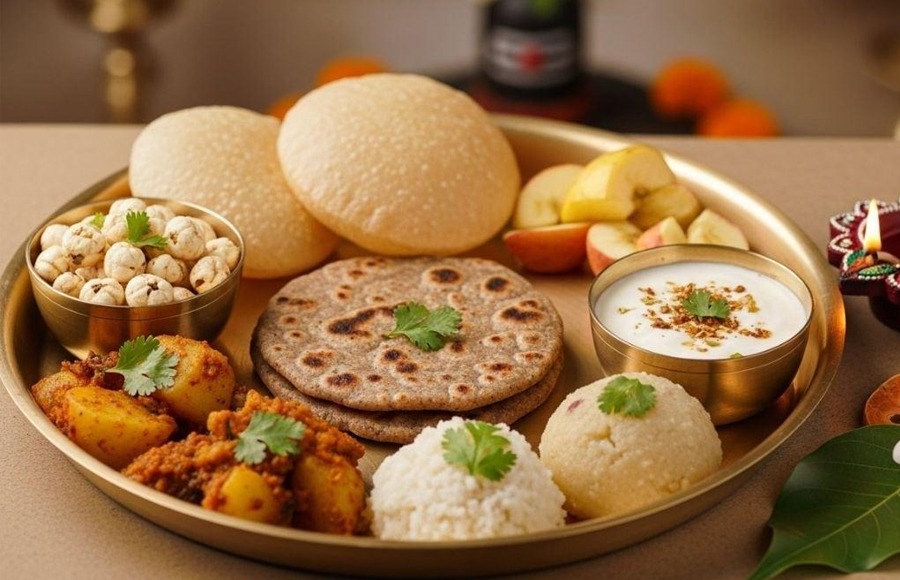

Here Are Some Special Fasting Foods of India and their Distinctive Flavors When the time for religious fasting in India comes around, may it be for Navratri, Ekadashi, Maha Shivaratri, Karwa Chauth, or Shravan, there are millions who observe such rituals by skipping certain things like regular grains and spices, in addition to all regular meal components. However fasting in India does not end at abstaining; it also pertains to a practice of deliberate consumption, spiritual renewal and purification. There has, over generations of households, developed a delectable tradition of various sorts of fast food in India often referred to as ‘vrat ka khana’.
Such dishes are traditionally composed of ingredients like buckwheat flour, water chestnut flour, potatoes, sabudana, peanuts, milk, fruits, rock salt, among others and they are neither restricted in taste nor compromised for nourishment.
Traditional fasting foods show how, even with limitations, an assortment of flavourful meals can be cooked and enjoyed with all respect.
The Cultural Importance of Fasting Foods
Fasting helps us practice austerity, enhance our devotion towards God and develop self discipline in Indian culture. According to several others, it also helps us detoxify ourselves and restart a clean regime for our eating patterns. As it restricts consumption of wheat, rice, onions, garlic and even ordinary salt, certain dishes came into being that follow all rules and regulations as well as maintain our health.
Common ingredients in fasting meals include:
- Potatoes
- Sabudana
- Milk and yogurt
- Peanuts
- Fruits
- Rock salt
- Singhara flour
- Kuttu flour
These ingredients help provide energy and satiety during long fasting hours.
Sabudana Khichdi: The Ultimate Vrat Favourite
So when it comes to undisputable king of all fasting recipes, there is literally only one recipe you need to remember:
This sabudana khichdi a meal very popularly made all across India is prepared from well soaked sabudana pearls, fried chunks of potato, roast peanuts, green chillies, jeera, rock salt, a squeeze of lemon, and garnished with a bunch of freshly chopped coriander. What makes this dish simply unput down able is when the sabudana pearls puff up, adding an absolutely scrumptious and chewy texture to this recipe!
We’ve toasted our potato to provide you a warm and cozy experience whereas roast peanuts add some satisfying crunch. The khichdi is rich in carbohydrates and will provide your body the energy it needs for days where you skip all the meal sessions.
Kuttu Ki Puri: Crispy and Filling
Kuttu Ki Puri is a beloved fasting dish especially popular during Navratri.
Kuttu flour, also called buckwheat flour, is mixed into dough and rolled into small puris before deep frying.
These puris are usually served with potato curry or yogurt.
Their crispy texture and earthy flavor make them highly satisfying. Since buckwheat is naturally gluten free and nutrient rich, it has become a staple ingredient in fasting cuisine.
Singhare Ki Kadhi
It is basically a special version of Kadhi which can be made during the fast. In traditional kadhi, gram flour is used, while in singhare ki kadhi singhare ke atte is used. This curry is made from gram water chestnut flour, yogurt and tempered with very mild spices and then cooked until a thick creamy consistency is achieved and can be had with fasting puris or Vrat rice.
Aloo Jeera: Simple Yet Delicious
Fasting food of Indians includes this vegetable a great deal because of the amount of energy it generates, as is quick and easy to prepare. One of the easier vrat items you may include in your vrat recipes is aloo jeera. Boiled potato sautéed with cumin, chillies, salt and leaves of coriander.
Optional inclusion: Peanuts or lemon juice in some cases!
This dish, despite its simple appearance is filled with amazing flavours earthy potatoes and pungent cumin. Try serving it with puri, curd or as a single snack.
Makhana Kheer: Sweet and Nourishing
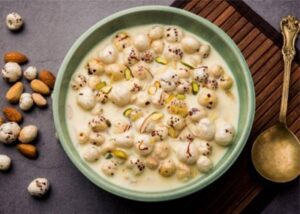
This indian dessert you will get at the dining table at fast. Here the idea is to lightly toast the makhanas or the fox nuts or the lotus seeds and then cooking these in the milk along with few sugar, cardamom and the dry fruits to finally getting up with the creamy, milky, mildly sweet and extremely comforting dessert. Considering Makhana itself is a good source of calcium and protein; this dessert is also a very fulfilling dessert for fasting.
Samak Rice: The Fasting Grain Alternative
Sama Rice, commonly called vrat rice, is widely consumed during fasts.
Though called rice, it is actually millet. It cooks quickly and serves as an excellent substitute for regular rice.
People use sama rice to prepare:
- Khichdi
- Pulao
- Kheer
- Rice bowls
Its light texture and easy digestibility make it ideal for fasting meals.
Fruit Chaat: Fresh and Energizing
Fruits is a part of most fasting regimens since they contain natural sugars and vitamins and also give you hydration. Fruit Chaat is very easy to prepare, mixing fresh seasonal fruit with a bit of rock salt and a touch of mild spice.
- Banana
- Apple
- Papaya
- Pomegranate
- Orange
Fruit chaat offers freshness and instant energy, especially during long fasting hours.
Sabudana Vada: Crispy Snack Delight
Sabudana Vada (Finger Food Recipe). Sabudana Vada is a crunchy western Indian fasting snack loved in the regions of Mumbai and Ahmedabad. Made by boiling and mashing potato, adding soaked sabudana and seasoning with chilli and spices and then made into patties and deep fried, these yummy snacks are to die for, as it is crispy on the outside and soft from inside. Served along with fresh yogurt, fresh vrat chutney and some spicy tomato chutney, they become an utter treat.
Sweet Potato Chaat
Today we will talk about Sweet Potato Chaat as a favorite healthy fasting option. Boiled or roasted sweet potato chunks are mixed with a good amount of lime juice and seasoned with rock salt, mild spices and an array of nutrients to offer a healthy fasting option. Sweet potato is rich in fibre, complex carbohydrates, as well as naturally sweet. It is considered ideal during fasting because it provides ample amount of energy to last long.
Why Fasting Foods Are Special
Traditional fasting foods are unique because they combine spirituality with nutrition. Despite ingredient restrictions, Indian cuisine has created extraordinary dishes that remain flavorful and satisfying.
Fasting foods often emphasize:
- Natural ingredients
- Minimal processing
- Balanced nutrition
- Easy digestion
- Energy rich meals
These dishes reflect both culinary creativity and cultural wisdom.
Conclusion
In India, the tradition of fasting cuisine brilliantly combines the concepts of food culture and devotion. Whether it’s delicious sabudana khichdi, crisp kuttu puris, creamy makhana kheer, or the refreshing fruit chaat, Indian fasting recipes offer a testimony that even food that’s limited in choice can still make a nourishing and delicious repast. A vrat meal is defined by how the most basic of ingredients can be elevated to the most tantalizing and symbolic dishes, which have become a favorite amongst most Indians beyond just being food for prayer and rituals but an edible heritage cherished and relished through ages!
Tags
Related Posts



Finance
SIP vs Lump Sum: How Do These Two Investment Approaches Differ?
Investing is not just about choosing the right mutual fund. It is…

Health
Screen Time and Your Eyes: What Long Hours on Devices Can Really Do to Your Eyes
From checking emails and attending online meetings to scrolling through social media,…

Sports
How Sports Leagues Are Creating New Career Opportunities Beyond Athletes
Sports leagues are no longer defined solely by the athletes competing on…