Sports
Sustainable Stadiums and the Future of Sports Events
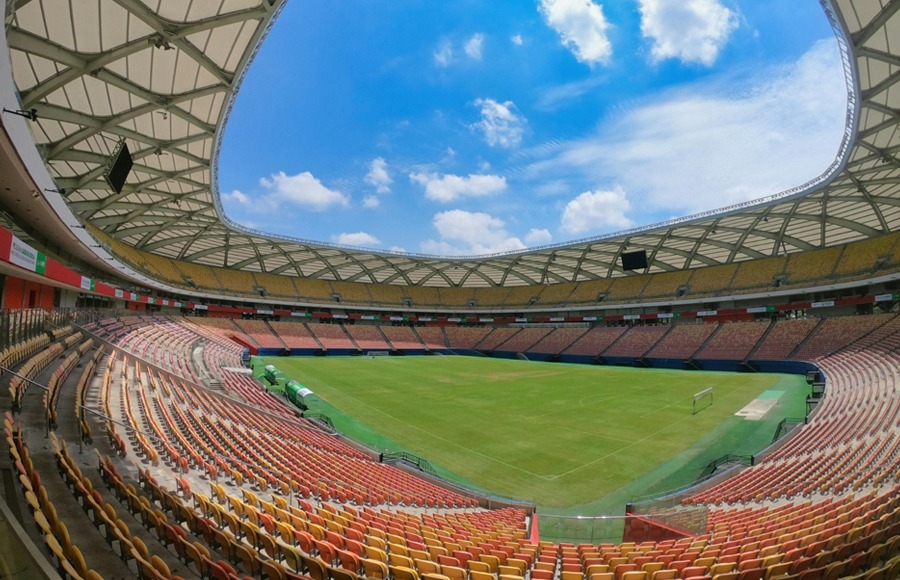

The world of sports is ever-changing and sustainability is of huge importance to team owners, event organizers and even fans alike. Each year, sporting events welcome thousands and thousands of fans and stadiums can use up unbelievable amounts of electricity, water and resources. It seems obvious then that a stadium, using anything from electricity to being filled with discarded plastic packaging, could have a huge effect on the environment. In order to combat this problem, organizations are introducing sustainable stadiums that focus on being eco-friendly whilst also creating a more enjoyable experience for the fans.
What is a Sustainable Stadium?
Sustainable stadiums are simply sports stadiums designed and operated using ‘green’ technology. These stadiums tend to have eco-conscious practices that allow them to reduce pollution, and conserve water and waste. Features such as solar panels and rain-harvesting systems have become increasingly common in modern stadiums along with LED lighting and a robust recycling program. This not only reduces the detrimental effect of large stadiums on the environment, but also create cleaner, more efficient stadiums for players and spectators, showcasing the positivity that sport can provide.
Energy Efficient Technologies in Modern Stadiums
The move to sustainability means new technologies must be installed at stadiums. The biggest step is the installation of renewable energy sources, predominantly solar and wind power, which can often fuel at least some of the stadium with energy generated on-site. Solar panels placed on stadium roofs can help reduce reliance on electricity derived from fossil fuels. Other such technologies include the instalment of LED lights as opposed to regular lights because they are much more efficient and consume considerably less electricity. These also have a longer lifespan. Modern stadium management teams also use energy-efficient technology to monitor their usage of electricity and reduce unnecessary consumption. Overall, these technologies not only benefit the environment but also reduce the stadium owners’ operating costs over a period of time.
Water Conservation and Waste Management
The conservation of water at large stadiums is just as important. These venues can use an extensive amount of water during matches, not least for bathrooms, but also for watering fields and food preparation. To save water at stadiums low-flow fixtures are common, along with rainwater harvesting systems and water recycling at many new venues. It is equally important to deal with the sheer amount of waste that sporting events can generate. At most events we can expect vast quantities of plastic cups, food containers and wrapping. In order to reduce waste there is now a big push to increase the amount of recycled and composted waste at the stadiums, along with the reduction of disposable plastics, and in some cases stadiums are moving towards more reusable cups and tickets (using digital systems to remove the need for paper). This will help keep the stadiums clean.
Eco-Friendly Transportation to Stadiums
Another of the largest contributors to pollution around stadiums is the travel required to and from each event. Sports stadiums are often visited by thousands of people on a given day, resulting in major traffic jams and an influx of harmful gases into the atmosphere. The introduction of new stadiums being built next to existing metro systems or developing routes specifically for bus travel are now becoming quite common. Other means of encouraging greener travel includes providing cyclists with storage at the stadium or even installing charging stations for electric cars. Encouraging carpooling and introducing shuttle services can also decrease the amount of traffic during matches.
Enhancing the Fan Experience through Sustainability
It is not only the environment which benefits from the introduction of sustainable stadiums but the fan experience can actually be enhanced as a result. Cleaner air and more efficient buildings will ultimately make an event more pleasant for both the spectator and athlete. Sports fans are becoming more and more aware of environmental issues and will actively support clubs which implement green initiatives at their stadiums. Often these initiatives are used in campaign literature to help raise awareness for spectators and make them aware of the issue and how they can help even outside of the sporting world. Therefore, sustainable stadiums are being viewed as progressive venues that promote a better understanding within communities.
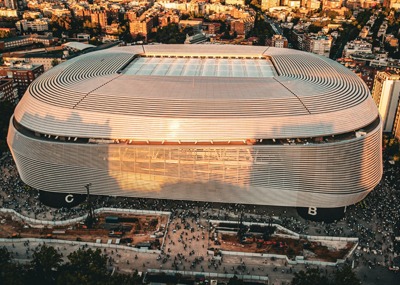
The Future of Sports Events
In the coming years, the move towards more sustainable stadiums and sporting events is going to grow even more, and some may even be totally ‘carbon neutral.’ Many stadiums are now developing AI based systems to reduce energy usage even further and ‘zero-waste’ events will hopefully become more prevalent. Governments and sporting bodies worldwide are making significant pledges and have set targets for sports events to become as eco-friendly as possible. The future will certainly hold the integration of sustainability, and the venues at which our favorite sporting events are held.
Conclusion
Sustainable stadiums are very much the way forward for the future of sporting events by allowing fans to entertain themselves in a way that does not harm the environment. Through new and developing technology such as energy efficient and water conserving features, and through increasing the levels of recycling as well as promoting greener transport methods, sporting events are now much more environmentally friendly. As fan’s and their respective sports bodies support green issues the sporting industry has a big role to play and, at the same time, stadiums that incorporate sustainable ideas will help towards a more eco-friendly planet.
Tags
Related Posts




Sports
How IPL Data Analytics Is Changing the Way Indian Cricket Teams Build Winning Strategies
Within cricket, the Indian Premier League is arguably one of the world’s…

Food
Traditional Italian Breakfast Foods and the Culture Behind Them
World-famous is Italian food of course, especially the pasta, pizza, risotto and…

Real Estate
The Rise of Senior Living Communities in India: A New Real Estate Opportunity for 2027
The real estate market in India has entered an era where new-age…